In aesthetic surgery, every term carries emotional weight, public trust, and multiple social perspectives. The phrase “aesthetic surgery victims” is commonly used to describe individuals who suffer physical, health-related, or psychological harm following substandard cosmetic procedures. However, this term has often been misunderstood, oversimplified, or even misinterpreted in ways that deviate from the true professional nature of aesthetic medicine.
When “Aesthetic Surgery Victims” Are Actually Reconstruction and Recovery Cases
In medical practice—particularly in aesthetic surgery—the term “aesthetic surgery victim” is not a label attached to any specific physician. In reality, such cases are often the result of multiple complex factors: choosing inappropriate facilities, procedures performed beyond professional scope, unverified advertising claims, or rushed decisions made without sufficient medical information.
Many patients seek out board-certified specialists while experiencing both physical trauma and psychological distress. They are not merely in need of corrective procedures, but also require a physician with the expertise to reassess their entire anatomical structure, the experience to manage complications, and the empathy to accompany them throughout the recovery process.
In this context, understanding the term “aesthetic surgery victim” correctly—and finding a reputable medical professional for correction, recovery, and reconstruction—is essential in helping patients restore both function and confidence.
When “Aesthetic Surgery Victims” Are Patients Recovering From Previous Mistakes
For such cases, the receiving physician is not merely a technician but a professional who must conduct a comprehensive reassessment from the beginning—including procedural history, soft tissue condition, anatomical structure, and the body’s healing capacity. These are high-risk cases that demand strong medical foundations, extensive experience in complication management, and absolute caution.
For such cases, the receiving physician is not merely a technician but a professional who must conduct a comprehensive reassessment from the beginning—including procedural history, soft tissue condition, anatomical structure, and the body’s healing capacity. These are high-risk cases that demand strong medical foundations, extensive experience in complication management, and absolute caution.
When viewed under the prism of which should be understood as a call not perfect, by the majority of the cases referred to is actually the victim of the intervention wrong earlier, and Dr Nguyen Giap is the receipt for the repair and remediation.
Revision Surgery: A Field That Requires More Than Technical Skill
Revision aesthetic surgery is widely regarded as one of the most challenging areas within cosmetic medicine. Unlike primary procedures, revision surgery operates on damaged tissues, altered anatomy, and psychologically vulnerable patients.
An incorrect decision at this stage can further complicate an already difficult condition. As a result, many surgeons choose not to accept revision cases due to their high risk and significant professional pressure. Supporting aesthetic surgery victims requires not only surgical skill, but also patience, medical discipline, and long-term professional responsibility.
(Readers are invited to view before-and-after images of patients who underwent nasal and breast revision surgery at Dr. Nguyen Giap’s clinic.)
A video testimonial from a patient who experienced a failed rhinoplasty at a spa and later sought corrective treatment with Dr. Nguyen Giap.
The Journey of Continuous Learning: A Sustainable Path in Medicine
In modern medicine, no physician is permitted to remain static in their knowledge. Aesthetic surgery evolves rapidly, requiring continuous updates in techniques, technology, and safety standards.
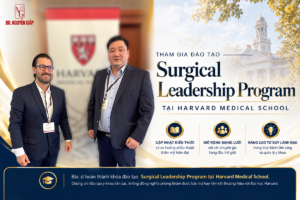
Currently, Dr. Nguyen Giap is deeply committed to ongoing study, research, and medical education aligned with international standards, including advanced academic exposure and training programs associated with Harvard. This is not a marketing title, but a long-term professional choice—placing knowledge as the foundation and scientific standards as guiding principles.
Continuous learning enables physicians to enhance risk assessment, refine safety protocols, and build evidence-based treatment strategies rather than relying solely on intuition or isolated experience.
Looking to the Future and Redefining the Value of an Aesthetic Surgeon
In medicine, a physician’s value does not lie in never facing challenges, but in how they confront their profession with humility and responsibility. A highly regarded physician understands professional limits, respects legal and ethical standards, and consistently places patient safety above all else.
Under angle, customers need to understand and is becoming reminder about the importance of choosing the right doctorright facility and the right time in beauty journey.
More importantly, it reflects a broader reality of the aesthetic industry: there are still many patients who need protection, proper medical education, and access to physicians with solid professional foundations.
Conclusion
Aesthetic surgery is not solely about external beauty—it is also a matter of responsibility, ethics, and medical knowledge. Properly understanding professional terminology allows the community to adopt a more balanced, humane, and scientific perspective on aesthetic medicine.
Looking toward the future, what truly matters is not debating the past, but how each physician chooses their professional path: continuous learning, continuous refinement, and continuous elevation of safety standards for patients. This is the foundation for building long-term trust in a profession intrinsically linked to human health and well-being.
In the context of modern life with air pollution and high work pressure in major cities like Ho Chi Minh City and Hanoi, the issue of large pores is becoming a common "enemy" of Vietnamese women's skin. Do you feel self-conscious when looking in the mirror, seeing oily, rough facial skin with noticeably large pores on your cheeks, nose, and chin? Don't worry! This article will comprehensively answer the question of what to do about large pores, from the root causes to the 12 most effective ways to shrink pores in 2025. Based on advice from leading dermatologists, we provide practical, easy-to-apply guidance to help you achieve tight, smooth, and naturally radiant skin. Let's explore and turn your dream of beautiful skin into reality today!
According to statistics from the Vietnam Dermatology Association, over 70% of women aged 25 and older experience uneven pore tightening due to oily skin and premature aging. Fortunately, with advances in beauty technology, you can completely control this problem safely and affordably. Continue reading this article by Dr. Nguyen Giap to find the best solution for your skin type!
Causes of Large Pores
To accurately answer what should be done about large pores, we first need to understand the causes of large pores. Pores are natural structures on the skin that release sebum and sweat to protect the skin from bacteria. However, when they become excessively enlarged, the skin looks less smooth and easily accumulates dirt, leading to acne.
Below are the main factors causing this condition, based on research from reputable medical sources:
Excess Oil and Sebum Gland Disorder: The oily skin type common in Vietnam's tropical climate causes pores to "open up" to push oil out. Experts say that 60% of large pores in oily skin cases stem from this factor, especially in the T-zone (forehead, nose, chin). According to the American Academy of Dermatology (AAD), 80% of large pore cases are related to skin moisture imbalance.
Skin Aging and Collagen Loss: From the age of 25, collagen production decreases by 1-2% annually, causing the skin to lose elasticity. The result is that large pores due to aging become lax, and the skin experiences slight sagging. Vietnamese women often experience this earlier due to greater sun exposure.
Genetic and Hormonal Factors: Genes determine the initial pore size, while hormones (like estrogen during menstruation) increase oil production. Pregnant or pre-menopausal women are more susceptible.
Mistaken Skincare and Environment: Using unsuitable skincare products, overly aggressive washing, or heavy makeup can cause blockages. PM2.5 fine dust pollution in Vietnamese cities worsens the condition, according to a 2024 report from the Vietnamese Ministry of Health.
UV Exposure and Unhealthy Lifestyle: Intense sunlight destroys collagen, while smoking and lack of sleep accelerate the process of large pore expansion.
Understanding the cause helps you avoid misdiagnosis and choose the right solution. For example, if oily skin is the culprit, focus on oil-control products. The positive truth is: Most causes can be controlled with the right skincare routine!
Signs of Large Pores: Check Your Skin Now for Early Action
Early identification of large pores helps prevent complications like inflammatory acne or pitted scars.
Common signs include:
Shiny and Rough Skin: Pores are clearly visible under light, especially after washing the face, making the skin look "bumpy" like orange peel.
Accumulation of Blackheads and Whiteheads: Enlarged pores create a "nest" for dirt, leading to stubborn blackheads in large pores.
Dull, Lifeless Skin: Makeup is difficult to adhere, and the face looks tired even if you've slept for 8 hours.
Discomfort After Makeup: The skin quickly produces oil, causing foundation to run and making pores more visible.
Slight Inflammation around Pores: Red, itchy skin if not cared for promptly.
According to leading skincare articles, if ignored, the condition can lead to chronic folliculitis. Check your skin under natural light weekly to monitor and take early action for faster and more cost-effective results!
7+ Easy-to-Apply Natural Home Remedies to Shrink Pores
You don't need to go to a spa immediately! Home methods for shrinking pores use familiar ingredients that are safe for all skin types. Here are 7+ of the most effective ways, proven by dermatological research:
1. Standard Cleansing Routine with BHA (Salicylic Acid) Products
Washing your face twice daily with a cleanser containing 1-2% BHA helps unclog pores and reduce excess oil. Choose a gentle type for oily skin with large pores. Result: Pores tighten after 5-7 days. Note: Use cool water to constrict blood vessels; avoid hot water which can cause further dilation.
2. Chemical Exfoliation with AHA and BHA
Use an essence or toner containing glycolic acid (AHA 5-10%) 2-3 times a week to remove dead cells and promote skin regeneration. Research from the Journal of Cosmetic Dermatology showed a reduction in pore size up to 30% after 4 weeks. Start slowly to allow your skin to adjust.
3. Bentonite Clay or Activated Charcoal Mask
Apply a clay mask 1-2 times/week, keep it for 10-15 minutes to absorb oil and dirt. Combine activated charcoal shrink pores for the T-zone. The skin will be smooth instantly, ideal for oily-acne.
4. Deep Moisturization with Niacinamide and Hyaluronic Acid
A serum containing 5% niacinamide controls oil and tightens pores, while hyaluronic acid holds 1000 times its weight in moisture. Use morning and night for balanced skin. Efficacy: Pores appear 20-25% smaller after 2 weeks.
5. Facial Steaming with Green Tea or Passion Fruit
Steam your face once a week with warm water mixed with green tea to open pores, then rinse with cold water. Passion fruit, rich in Vitamin C, helps naturally tighten pores and reduce mild inflammation.
6. Facial Massage with Jojoba Oil or Tea Tree Oil
Gently massage your face for 5 minutes every night with jojoba oil to balance natural oils and shrink pores. This method is particularly good for combination skin with large pores.
7. Cold Compress with Rose Water
Use an ice cube wrapped in a cloth to compress your face for 2-3 minutes morning and night. Natural rose water helps constrict blood vessels and tightens large pores instantly before makeup.
8. Steaming and Deep Cleansing with Coconut Oil
Steam your face with warm water + green tea leaves once a week to open pores, then massage with pure coconut oil to remove dirt. This folk method is safe and helps the skin feel clean and naturally tight.
These tips are not only inexpensive but also easy to incorporate into your daily routine, helping you feel healthier and more confident every morning you wake up!
5+ Advanced Methods for Pore Shrinkage
When home remedies are not enough, try advanced therapies at a dermatology clinic. Based on 2025 technology, here are 5 highly effective ways to treat large pores:
1. Chemical Peel with TCA or Glycolic Acid
Uses acids like TCA or Jessner to remove dead skin layers and stimulate collagen regeneration. Peel procedure: Doctor applies acid to the skin for 3-10 minutes, neutralizes, and applies aftercare. Benefits: Reduces pores by 40-60%, brightens and smooths skin. Cost: 2-5 million VND/session, 3-5 sessions. Low risk when performed at a reputable facility.
2. Fractional CO2 Laser or Pico Laser
Laser penetrates deep, stimulating collagen and shrinking pores without surface damage. Suitable for oily, acne-prone skin. Duration: 30-45 minutes/session, recovery 3-7 days. Effectiveness lasts 1-2 years. Price: 10-20 million VND/course of 3 sessions. Experts emphasize laser as the "secret weapon" for aging skin.
3. Microneedling Combined with PRP (Platelet-Rich Plasma)
Micro-needles create micro-injuries, and PRP from the patient's own blood promotes skin healing. Reduces pores and scars by 60%. 4-6 sessions, cost 6-18 million VND. Less painful, short downtime.
4. Mesotherapy Injection with Vitamins and Hyaluronic Acid
Injecting nutrients directly into the skin to tighten pores and increase moisture. Effective for 6-12 months, price 8-15 million VND. Safe for sensitive skin.
RF waves deeply heat and contract collagen around the pores. Reduces size by 40-60%, non-invasive. Cost: 10-20 million VND/course. These methods offer long-lasting results, significantly "rejuvenating" your skin!
Information on prices is for reference to understand the treatment course. For accurate consultation and promotions, please call the hotline!
Botox or Filler Injections for Facial Area
Botox relaxes muscles, indirectly reducing oil secretion. Filler fills wrinkles, making skin smooth and plump. Effective for 6-12 months, price 8-15 million VND.
Medical-Standard Treatment Protocol for Large Pores at a Dermatology Clinic
Medical-Standard Treatment Protocol for Large Pores at a Dermatology Clinic
A professional protocol typically lasts 45-90 minutes and includes:
Consultation and Skin Analysis: Using a skin analyzer to determine the skin type and severity of large pores.
Cleansing and Numbing: Deep cleansing, light numbing for invasive therapies.
Procedure Execution: Applying laser/peel according to a personalized plan.
Boosts self-confidence, helping you shine in social interactions.
Saves time on daily skincare.
Surveys from reputable spas show 95% customer satisfaction, with healthier, long-lasting skin.
Risks and Important Notes When Tightening Pores
While safe, these methods still carry small risks such as temporary redness or irritation. Avoid if your skin has severe acne or acid allergies; always perform a patch test 24 hours prior. Drink 2-3 liters of water daily and eat plenty of antioxidant-rich vegetables to support from within. Combine with daily sunscreen to protect the results.
Comparison Table of the Most Popular Pore Shrinking Methods
It's impossible to eliminate them 100% as they are natural structures, but they can be significantly shrunk by 50-80% with proper care.
2. Does dry skin also get large pores?
Yes, dry skin lacks moisture, making pores more noticeable. Moisturize fully to balance the skin.
3. How long does it take to see results after treatment?
Home care: 1-2 weeks. Advanced treatment: 3-4 weeks after the first course.
4. Should I use concealer for large pores?
Yes, choose an oil-control type with a pore-filling primer for more natural makeup.
5. Do large pores caused by acne disappear on their own?
No, active treatment is needed to prevent scarring. Combining BHA and laser is most effective.
Conclusion
What should you do about large pores? The answer lies in perseverance with your skincare routine and choosing the right method. From simple home remedies to advanced lasers, every solution aims for healthy, smooth skin. Show your skin some love by acting now; you deserve radiant beauty! If you need personalized consultation, contact a reputable dermatologist. We wish you to soon achieve your dream skin and shine confidently!
Articles are updated 11/2025 based on data from the medical source reliable. Does not replace the advice of doctors.
Where is a reputable place for breast augmentation in Ho Chi Minh City?
For many women considering Breast Augmentation in Ho Chi Minh City,this article compiles essential information.
All surgical and services are performed at the hospital.
Breast augmentation is a popular cosmetic procedure chosen by many women to enhance their appearance and boost confidence.
However, selecting a reputable and quality location for this procedure can be challenging. Below are the top clinics highly rated for their reputation, services, and results, helping you make a safe and suitable choice.
Dr. Nguyen Giap Aesthetic Surgery Center
Dr. Nguyen Giap Aesthetic Surgery Center is one of the leading facilities for cosmetic surgery in Ho Chi Minh City.
With a team of experienced doctorsclinic has successfully made thousands of ca breast augmentation, to help you have the physique as desired.
Advantages: Dr. Nguyen Giap specializes in advanced techniques such as the axillary and inframammary approaches, ensuring comprehensive post-operative care.
Cost: ranges from 50 – 80 million depending on the type of chest pockets (with chip or without chip).
Contact Info:
Address of clinic: 190 Huynh Van banh street, Phu Nhuan, ho chi minh CITY
Part of FV Hospital, this institute is committed to providing high-quality aesthetic services with modern equipment and international medical professionals.
Advantages: State-of-the-art facilities and post-operative care that meets international standards.
Cost: Approximately 60 to 90 million VND, depending on the type of implant and surgical technique.
Contact Info:
Address: 06 Nguyen Luong bang street, Tan Phu ward, District 7, ho chi minh CITY
Phone number: 0285 411 3366
Website: fvhospital.com
Email: information@fvhospital.com
Fanpage: FB.com/VienthammyFV
Specialist Level II Dr. Truong Thanh Long – Tan Hung Hospital
Dr. Truong Thanh Long is a well-known cosmetic surgeon in Ho Chi Minh City, with years of experience and numerous successful breast augmentations.
Advantages: Attentive consultations and precise surgical methods leading to natural results.
Cost: Approximately 45 to 75 million VND.
Viet-Han International Aesthetic Institute
This institute is renowned for its high-end cosmetic surgery services, particularly breast augmentation.
Advantages: equipment and modern methods, advanced surgery. Service, customer care, attentive and caring.
Cost: From 55 – 85 million, depending on the type of chest pockets and services surgery.
Siam Thailand
Bringing aesthetics from Thailand to Vietnam, this institute offers a range of services with an experienced team.
Advantages: Natural results and modern methods using advanced breast augmentation technology.
Cost: From 50 to 80 million VND.
Contact Info:
Address: 55 Truong Son, Ward 15, District 10, Ho Chi Minh City
Website: thammysiam.com
Phone number: 0942 225 222
Email: marketing@thammysiam.com
Fanpage: FB.com/vtmsiamthailand
Dr. Le Hoang Vinh – Dr. Vinh Le Aesthetic Institute
Dr. Le Hoang Vinh is recognized for his high skill level and successful aesthetic results.
Advantages: Detailed consultations and safe, effective surgical methods with attentive customer service.
Cost: Approximately 60 to 90 million VND.
JW Korean Cosmetic Hospital
Known as a premium aesthetic brand in Ho Chi Minh City, JW Korean Cosmetic Hospital features a skilled team and modern equipment.
Advantages: Professional services and natural, safe surgical results.
Cost: From 60 to 100 million VND.
Lam Giang Aesthetic Clinic
Lam Giang Clinic is one of the only aesthetics are in ho chi minh CITY, which many trust in the field of breast augmentation and surgical services other aesthetic.
With a team of experienced cosmetic surgeons and advanced surgical technology, the clinic is committed to delivering optimal aesthetic results.
Advantages: The clinic features modern facilities and uses high-quality breast implants, ensuring safety during the procedure. Post-operative care is also emphasized, helping patients recover quickly and effectively.
Cost: From 50 – 85 million, depending on the type of chest pockets and surgical methods.
Tips for Choosing a Reputable Breast Augmentation Clinic in Ho Chi Minh City
When deciding to undergo breast augmentation, selecting a reputable facility is crucial for both the aesthetic outcome and your safety. Here are some insights to help answer the question: where should you get breast augmentation in Ho Chi Minh City? We hope these tips assist you breast augmentation surgery surgical center:
1. Research the Surgeon
Since the surgeon directly performs the procedure, it's essential to learn about their experience and qualifications. Surgeons with certifications, extensive experience, and a good reputation provide more assurance. You can check reviews from previous patients or schedule a consultation to receive advice directly from the surgeon.
Facilities and Equipment
Modern facilities and advanced surgical equipment are critical criteria when choosing a breast augmentation clinic. Locations with medical-grade machinery and sterile operating rooms minimize risks and complications after surgery.
Quality of Post-Operative Care
Breast augmentation extends beyond the surgical procedure to include the care and recovery process afterward. A reputable facility will have a rigorous post-operative monitoring system to help you recover quickly and maintain the natural beauty of your breasts.
Types of Implants and Surgical Methods:There are various types of breast implants available, differing in quality and price, from non-chip to chip and flexible implants. Choose facilities that use genuine, warranty-backed implants certified for safety. Additionally, consider surgical methods such as the axillary approach or inframammary fold technique to suit your body type and preferences.
Customer Feedback and Reviews
Consulting feedback from previous patients at your chosen facility is an effective way to assess service quality. These reviews provide a realistic perspective on surgical outcomes and service experiences.
Warranty Policies
The warranty policy for breast implants and commitments from the aesthetic center provide additional peace of mind when deciding to undergo surgery. Reputable clinics often offer long-term warranty policies for implants, ensuring support in case of post-operative issues.
Conclusion
Choosing a reputable breast augmentation clinic in Ho Chi Minh City not only helps you achieve the desired aesthetic results but also ensures long-term safety and health.
The clinics mentioned above are safe and reliable options. , Dr. Nguyen Giap to find a suitable location, ensuring a smooth and effective breast augmentation process.
Do you hesitate to wear sleeveless tops because of large, fatty upper arms that haven't improved despite dieting or exercise? Upper arm liposuction is a modern cosmetic solution that rapidly eliminates excess fat, delivering toned, slender arms after just a single procedure. This article by Dr. Nguyen Giap covers everything you need to know—including the medical mechanism, the actual procedure, costs, and recovery time—to help you make a safe and informed decision.
What is upper arm liposuction?
Upper arm liposuction is a minimally invasive cosmetic procedure that directly removes excess fat deposits from the upper arms—specifically the inner arm area, where fat is notoriously difficult to lose through exercise alone.
This procedure is suitable for individuals who:
Have bulky or sagging upper arms after weight loss or childbirth
Wish to achieve better body proportions for wearing short-sleeved or sleeveless clothing
Have a busy lifestyle and want visible results without long-term exercise programs
The upper arm contains a significant amount of deep fat tissue, interwoven between nerves and muscles, making natural fat reduction largely ineffective.
A study of According to a study by the American Society of Plastic Surgeons (ASPS) :
“Over 60% of women experience localized fat in the arms that does not respond to overall weight loss.”
Anatomy of Upper Arm Fat
Upper arm fat is generally divided into two layers:
Superficial fat (subcutaneous fat): Easier to remove but causes visible bulging when wearing tight clothing
Deep fat (reticular fat): Firm, adherent to fascia, and difficult to reduce
Therefore, surgeons must use precise, image-guided technology to remove the correct fat layers without damaging muscles or nerves.
Method of removal of grease at the biceps will help you be more confident
Video review of arm liposuction for a client with large upper arms.
Who should and should not undergo upper arm liposuction?
While the upper arms are prone to fat accumulation, they are also one of the most difficult areas of the body to slim down. In the past, traditional liposuction methods were often ineffective at addressing this specific issue, causing many people to feel self-conscious about wearing short-sleeved tops.
Today, the advent of advanced upper arm liposuction technology offers a promising solution. This fat-removal method utilizes modern technology to directly target stubborn fat deposits, employing energy waves to effectively eliminate excess fat. It is a technique recognized by the U.S. Food and Drug Administration (FDA) for its high safety profile and is widely practiced in developed countries around the world.
Suitable candidates
Significant fat accumulation with good skin elasticity
Stable body weight for at least 3 months
No underlying medical conditions
Not recommended for
Severe skin laxity (may require skin tightening or arm lift)
Pregnancy or breastfeeding
Heart disease, diabetes, or bleeding disorders
Quick home elasticity test
Pinch the upper arm skin about 1 cm
Release it:Returns in <1 second → good elasticity
Takes >3 seconds → consult a specialist before liposuction
How much does upper arm liposuction cost?
The cost of upper arm liposuction depends on the technology used, the surgeon's expertise, and the quality of the facility's amenities.
Below is a table of the reference price in each modern technology:
Technology
Average cost (VND)
Highlighted Advantages
SmartLipo
18 – 25 million
Minimal swelling, fast recovery
Vaser Lipo
25 – 35 million
Superior skin tightening
UltraZ
35 – 45 million
Long-lasting optimal results
Additionally, the typical market price for arm liposuction usually ranges from 25 to 40 million VND, depending on the following factors:
Factors influence
Level of impact
Technology liposuction
VASER, Laser, RF has a higher cost
Skilled doctor
Doctors, specialists, experience more → higher cost
Base material
Operating room sterile, modern technology increase the value, safety
Medical facilities are licensed, have operating rooms aseptic standards the Ministry of health.
Modern technology, clear origin.
Service operative professional has a team of 24/7 tracking.
Some a reputable cosmetic clinic currently in Vietnam, including Beauty salons Dr. Nguyen Giap, Aesthetic hospital JW, Korean, and Aesthetic hospital, Kangnam.
Modern liposuction technologies use ultrasound or laser energy to emulsify fat before removal through small cannulas.
These techniques not only remove fat effectively but also stimulate collagen production, allowing the skin to retract naturally and minimizing post-procedure sagging.Popular technologies
The popular technology:
VASER 360 Lipo: Use of ultrasonic energy, less damage to surrounding tissues.
Lipo Laser: The laser helps the skin more toned.
Lipo Ultrasound : Combination of RF energy and liposuction, reduce sagging, maximum
The upper arm liposuction procedure consists of 5 medically standardized steps.
1. Consultation & Fat Assessment
The process begins with a direct consultation between the patient and a specialist. The surgeon evaluates fat volume, skin elasticity, and arm tissue structure to recommend the most suitable liposuction approach.
2. Comprehensive Health Screening
To ensure safety throughout the procedure, patients undergo comprehensive medical tests and a full health evaluation.
This step determines whether the body is medically fit for upper arm liposuction and helps minimize all potential risks during the intervention.
3. Marking & Target Area Identification
Once the client is deemed eligible, the doctor will measure and mark the areas of fatty tissue that need to be treated on the upper arm. Each client has a different body type, so the doctor will base the precise liposuction area on skin elasticity, excess fat, and aesthetic goals, helping to create a slender and harmonious arm shape.
4. Local Anesthesia and Upper Arm Liposuction Procedure
The client is given local anesthesia and injected with a supportive solution (saline solution, Lidocaine, Epinephrine) to reduce pain and limit local bleeding. Then, the doctor inserts a 0.5-1 cm ultra-fine suction tube into the upper arm area to liquefy and suction out excess fat using high-tech equipment.
Small straws help to limit invasive, does not create scar significantly and keep the smooth on the skin surface after recovery.
Amount of fat to be removed will depend on health and adipose tissue of each person, ensuring both beautiful and safe.
5. Incision Closure & Postoperative Care
After removal of excess fat, doctor, stitch closes the incision using only aesthetic standard, helps skin seamless and natural.
Finally, customers need to comply with care instructions, re-examination schedule to ensure the biceps fast recovery, up form slim and toned.
introduction liposuction procedures biceps usually consists of 5 steps
💬 Case Story – Ms Hanh (age 32, from Ho Chi Minh City ): “I used to always pull my sleeves down to hide my upper arms. Just two weeks after liposuction, I was able to wear a sleeveless top for the first time in five years!” (- Patient of Dr. Nguyen Giap, 2024)
Recovery Time After Upper Arm Liposuction
Recovery varies by individual, but most patients can resume light activities within 5–7 days. After 3–4 weeks, the arms stabilize, swelling subsides, and skin tightening becomes more noticeable.
Postoperative care checklist
✅ Wear compression garments 24/7 for the first 2 weeks
✅ Avoid heavy lifting, gym workouts, or overhead arm movements
✅ Maintain a healthy diet and limit salt intake, alcohol consumption, and smoking to reduce swelling and support optimal skin recovery.
✅ Gently Massage the arm after 10 days, support soft tissue and helps the skin smoother.
Images of clients before and after liposuction at the clinic
Below is a picture review of the client after performing liposuction in Dr Nguyen Giap and satisfied with the current results.
Conclusion
Arm liposuction not only helps you have slim arms but also significantly improves your confidence in daily life. However, choosing a reputable cosmetic facility and following the correct post-operative care process are important factors to achieve optimal results and ensure safety. If you are looking for a solution to change your appearance, arm liposuction can be the first step to help you reach your dream of an ideal body shape.
Customers who choose arm liposuction service at Dr. Nguyen Giap Clinic are often very satisfied with the aesthetic quality achieved. This is a great motivation for Dr. Nguyen Giap Clinic to constantly strive harder in the journey to perfect the appearance of Vietnamese aesthetic fans.
WORKING PROCEDURES AT DR. NGUYEN GIAP'S SPECIALIZED COSMETIC CLINIC.
The journey to finding body beauty is a topic that attracts many, especially as the demand for abdominal fat reduction becomes increasingly popular.
Abdominal Liposuction is not just a method for improving appearance but also enhances confidence and quality of life.
However, it is crucial to choose a reputable hospital to ensure safety and achieve desired results. All surgical and services are performed at the hospital.
Criteria for Choosing a Reputable Liposuction Hospital
Selecting a place for liposuction should not solely depend on reputation. Specific criteria include:
Modern Technology: Advances in technology have led to innovative liposuction methods like Lipo 360, Vaser Lipoand Laser Lipo, which minimize pain and recovery time.
Facilities: Reputable hospitals typically have sterile operating rooms and advanced medical equipment.
Post-Operative Care: Post-surgery care is crucial for recovery and long-term effectiveness.
Top Reputable Liposuction Hospitals in Vietnam
In Vietnam, several hospitals and medical facilities meet the standards for abdominal liposuction. Here are some top recommendations:
Major Aesthetic Hospitals in Ho Chi Minh City
Dr. Nguyên Giáp Aesthetic Hospital: Known for safe endoscopic liposuction, Dr. Nguyên Giáp has a team of experienced doctors and internationally accredited procedures.
Key Strengths::
Exclusive endoscopic liposuction technology, ensuring maximum fat removal without damaging surrounding tissues.
A team of doctors with over 15 years of experience, providing support from consultation to post-operative care.
Specializes in cases of liposuction combined with abdominal shaping for a toned and balanced waist.
Safety Commitment::
Procedures meet international medical standards.
Long-term results warranty with post-operative nutrition and exercise advice.
The process of liposuction is the use of advanced technology helps to reduce the feeling of pain. However, after surgery, you may feel sore in the first few days.
The costs fluctuate depending on the technology used and hospitals made, usually from 50 million or more.
Conclusion
Abdominal Liposuction is an effective solution to improve body shape and enhance quality of life. However, safety and aesthetic results can only be achieved if you choose a reputable hospital.
Always prioritize safety and don't hesitate to thoroughly research before making a decision.
An ideal body shape awaits you, but that journey must be built on a foundation of smart and responsible choices for yourself.
All surgical and services are performed at the hospital.
WORKING PROCEDURES AT DR. NGUYEN GIAP'S SPECIALIZED COSMETIC CLINIC.
Imagine the moment you step onto the scale and see the dream number you've worked so hard to achieve for months, even years. That feeling of victory is sweet. However, that joy can sometimes falter when you look in the mirror. Instead of the toned, sleek figure you envisioned, what greets you is a layer of loose, excess skin that is aesthetically unappealing. This is a harsh reality that many people face: the battle with sagging skin after weight loss is sometimes even more difficult than burning excess fat.
You are not alone in this journey.
The skin is the body's largest organ, and it needs time and proper care to adapt to your new physique. Loose skin doesn't just affect appearance; it can also cause discomfort in daily life. However, don't worry too much. From small changes in nutrition and exercise routines to more intensive interventions, we absolutely have a roadmap to restore skin elasticity. From a professional perspective, Doctor Nguyen Giap always emphasizes: "Patience and a scientific approach are the keys for your skin to 'catch up' with your new body." This article will provide you with a comprehensive guide, delving into every cell to restore the youthful appearance of your skin.
Nutrition and Lifestyle to Naturally Stimulate Collagen and Elastin Production
Many people mistakenly believe that simply applying external creams is enough to firm the skin, but in reality, the true "revolution" must begin from within. Our skin structure is supported by a network of proteins, primarily Collagen (making up 80%) and Elastin. When you lose weight too quickly or lack proper nutrition, this network weakens, leading to skin laxity. Therefore, the first and most crucial strategy is to nourish the skin at a cellular level through hydration and the "right" diet.
Water is the cheapest yet most effective miracle drug: Drinking enough (at least) 2 liters of water daily not only helps flush toxins from the body but also maintains the necessary moisture for every cell, helping the skin look plumper.
If skin cells are dehydrated, they shrink and worsen the appearance of wrinkles and laxity.
Protein acts as the building blocks to rebuild the body's structure. Prioritize lean protein sources such as chicken breast, fish, soy, and nuts. Protein provides the essential amino acids the body needs to synthesize Collagen, helping to strengthen the connective tissue in the skin.
Don't forget healthy fats from avocados or olive oil; they are essential components of the cell membranes, keeping the skin soft and elastic.
Alongside protein, micronutrients act as "protectors." Free radicals, generated from metabolism and environmental impact, are Collagen's number one enemy.
To fight them, you need to consume enough Vitamins A, C, and E. Specifically, Vitamin C is an indispensable catalyst in the process of new Collagen biosynthesis. A glass of orange juice, a plate of kale or spinach salad is not only delicious but also a power boost for your skin.
In some cases where diet is insufficient, using hydrolyzed Collagen supplements or general multivitamins, as advised by a doctor, is also a viable solution to make up for the deficiency.
However, nutrition alone is not enough if you maintain habits that erode your health. Sleep plays a critical role but is often overlooked. When you sleep, the body undergoes its most intense process of cellular repair and regeneration. A deep sleep of at least 7 hours every night helps produce growth hormones, promoting skin elasticity. Conversely, sleep deprivation increases Cortisol, a hormone that destroys Collagen.
Also, remember the golden rule: "slow and steady wins the race." Losing weight too rapidly prevents the skin from having time to retract and adapt to the reduced body volume. Adjust your weight loss speed gradually to allow your skin to "breathe" and naturally regain its elasticity.
[Video of advice on Facelift for sagging skin]
Exercises to Build Muscle and Fill Out Loose Skin Areas
If the skin is likened to the outer shell, the fat and muscle underneath are the "filling" that helps keep that shell taut. When you lose weight, the fat layer disappears, leaving a large void, causing the skin to lose its support and become saggy. The most logical solution now is not to let the fat return, but to replace that void with a layer of firm, toned muscle. This is why Strength Training is a key factor in reshaping the body's contours.
Strength training stimulates the growth of muscle fibers located directly under the skin (Hypertrophy). As muscle mass increases, it acts as a new "framework," pushing the outer skin layer taut, smoothing out wrinkles, and minimizing laxity. You don't need to become a professional bodybuilder, but lifting weights, doing push-ups, or using resistance bands at least 3-4 times a week will make a noticeable difference.
A crucial point is that when working out to build muscle, you might need to slightly increase your caloric intake from healthy sources to fuel muscle growth, preventing your body from "eating" muscle for energy.
A crucial point is that when working out to build muscle, you might need to slightly increase your caloric intake from healthy sources to fuel muscle growth, preventing your body from "eating" muscle for energy.
Besides full-body workouts, focusing on the areas most prone to sagging—such as the abdomen, thighs, and upper arms—is essential. The abdominal area is often the "most stubborn" with excess skin after fat loss.
Specific exercises like Leg Raises, Crunches, Air Bikes, or Planks will help firm the Core muscle group. You should dedicate about 15-20 minutes daily to these exercises. For a more detailed look at how to treat the abdominal area, you can learn more about methods for how to effectively reduce a sagging belly that are often recommended.
You should spend about 15-20 minutes a day for these exercises. To have more detailed view on how to handle the abdomen, you can refer more about the method how to lose belly sagging the effect is usually recommended.
Furthermore, don't neglect upper body exercises. The skin under the arms that often sags (commonly called "bat wings") can be significantly improved with exercises like Dumbbell Tricep Extension or Push-ups.
The combination of overall fat loss and localized muscle gain will create a "sculpted" physique, helping the skin adhere more tightly to the body.Remember, the skin needs time to retract, but muscle can be built starting today. Persistent exercise is not only good for your health but also the most sustainable natural "skin tightening" method.
Remember, the skin needs time to retract, but muscle can be built starting today. Persistent exercise is not only good for your health but also the most sustainable natural "skin tightening" method.
External Skincare Therapies: Massage, Spa, and Environmental Protection
While nutrition and exercise establish the foundation from within, external care therapies act as the "finishing coat," helping the skin surface to be smooth, bright, healthy, and supporting the retraction process to occur faster.
One of the simple yet surprisingly effective methods is full-body massage. Massaging not only provides a relaxing feeling but also helps stimulate strong blood circulation to the skin's surface.
Good blood flow carries oxygen and nutrients to nourish skin cells while also removing accumulated toxins.
You can perform a massage at home about twice a week with natural oils such as coconut oil, almond oil, or moisturizing creams containing Vitamin E.
Combined with massage is sea salt bathing or exfoliation therapy. Sea salt is rich in minerals that help enhance circulation, remove rough dead skin cells, and stimulate new cell production.
A home spa routine involving hot seaweed wraps is also a great suggestion; seaweed contains compounds that help detoxify, regenerate the skin, and reduce the appearance of Cellulite (orange peel skin).
You can apply a mixture of clay and seaweed to the lax skin area, wrap it with a hot towel, and relax for 20 minutes to feel instant firmness.
However, all skincare efforts will be "in vain" if you don't protect your skin from harmful environmental factors, especially sunlight and chemicals.
Ultraviolet (UV) rays in sunlight are dangerous enemies that destroy the structure of Collagen and Elastin, causing the skin to lose its inherent elasticity and age quickly. Imagine how a rubber band left in the sun for a long time becomes brittle and easily breaks; your skin is similar.
Therefore, applying physical sunscreen (containing zinc oxide or titanium dioxide) 30 minutes before going outside is mandatory. Also, if you enjoy swimming for weight loss, be aware that Chlorine in pool water can severely dry out the skin. Be sure to rinse thoroughly after swimming and apply deep moisturizer immediately to protect the skin's natural moisture barrier.
Aesthetic Technology Solutions for Severe Skin Sagging
While natural methods offer long-term benefits, for cases involving a massive amount of weight loss (e.g., losing 20kg, 30kg, or more), excess skin can become a real medical problem that diet or exercise alone can hardly resolve completely.
At this point, the advancement of aesthetic medicine offers new rays of hope. Depending on the severity of sagging and individual desires, a doctor can advise on solutions ranging from non-invasive to surgical body contouring.
For moderate laxity, non-invasive or minimally invasive technologies are the preferred trend. Radiofrequency (RF) technology or therapies like VelaShape use thermal energy combined with infrared light and mechanical massage to work deep within the dermis.
This mechanism stimulates aging Collagen fibers to contract and promotes the body to produce new Collagen. However, note that these methods require patience with multiple sessions, and results often appear gradually.
In cases where there is a large amount of excess skin, causing hindrance to movement or inflammation in skin folds, Body Contouring surgery is the most optimal solution. Common procedures include:
Tummy Tuck (Abdominoplasty): Removes excess skin and fat in the lower abdomen, while stitching separated abdominal muscles back together. You can find detailed information about this procedure at the tummy tuck service.
Thigh and Arm Lift (Brachioplasty): Removes the loose skin on the inner thighs and upper arms.
Full Body Lift: Combines multiple areas to restore the physique.
Furthermore, for the face, where signs of aging and skin laxity are most evident after weight loss, methods like traditional facelift or the more advanced Deep Plane facelift technique can provide comprehensive rejuvenation, returning muscle and skin layers to their original position. Here is a quick comparison table for reference:
Feature
Non-Invasive Technologies (RF, Laser)
Body Contouring Surgery (Lifts)
Candidates
Mild to moderate skin laxity
Significant excess skin, severe sagging
Recovery time
Virtually no downtime needed
2 – 4 weeks of home recovery
Efficacy
Gradual improvement in elasticity, firmness
Immediate, complete removal of excess skin
Risks
Low (mild redness, irritation)
Higher (scars, bleeding, infection)
The decision to undergo surgery is a significant one. You need to consult thoroughly with reputable specialists to accurately assess your health condition and choose the safest option
Why Does Skin Sag? Understanding the Mechanism to Set Realistic Expectations
To solve the problem thoroughly, we need to return to the root question: Why does the skin sag? Our skin is a living organ with excellent elasticity, much like a balloon. When you gain weight, the skin must stretch to accommodate the increased amount of fat and muscle tissue. If this process occurs over a short period (like pregnancy), the skin can often retract quite well afterward. However, for most people who have been overweight or obese for many years, the Collagen and Elastin fibers are overstretched for an extended period, becoming damaged and losing their natural elasticity.
When you lose weight, especially rapid weight loss, the underlying fat layer disappears suddenly, but the skin's surface area remains the same. Like a deflated balloon, it cannot immediately return to its smooth, original state and becomes wrinkled. Additionally, factors like age, genetics, sun exposure, and smoking habits directly affect the "quality" of the skin. Older people produce less Collagen, making it harder for their skin to retract compared to younger individuals.
Understanding this mechanism helps you set realistic expectations. Skin firming takes time, measured in months, even years. Don't be too hard on yourself or compare yourself to edited images on social media. Your body has done a wonderful thing by losing weight to become healthier, and the residual excess skin (if any) is a testament to that extraordinary effort. Be persistent in applying the nutritional, exercise, and skincare methods mentioned above. And if necessary, modern medicine always has solutions available to help you perfect your appearance.
A: The recovery time of the skin depends on many factors such as age, genetics, the amount of weight lost and care regimen. Normally, with moderate weight loss, the skin can take from several months to 1-2 years to shrink naturally thanks to the collagen regeneration mechanism. However, if you lose weight too quickly or too much, the skin can be permanently damaged and require medical intervention.
A: Yes, but it requires the right combination. Collagen makes up 80% of the skin's structure and determines its firmness. Supplementing with Collagen (via oral supplements or foods rich in Protein and Vitamin C) helps provide the raw materials for the body to repair broken connective fibers. However, Collagen is not a miracle cure; it needs to be combined with drinking at least 2 liters of water daily and strength training to build muscle to see noticeable results.
A: It is not mandatory. Body contouring surgery (like tummy tucks, thigh lifts) is usually only indicated for cases of massive weight loss that leave behind excessive amounts of skin causing infection or severe aesthetic distress that natural methods cannot fix. For mild to moderate laxity, you can definitely improve it with gym exercise (muscle building), massage, and RF or VelaShape technologies.
A: To firm up the abdominal area, you need to focus on Core exercises and muscle building. The most effective movements include: Plank, Crunches, Leg Raises, and Air Bikes. You should dedicate about 15-20 minutes daily to the abdominal area, combined with full-body strength training, to allow the muscle layer underneath the skin to develop and fill out the loose skin.
A: The skin needs time to adapt to the change in body volume. When weight loss is too fast, the fat layer disappears suddenly, but the skin's surface area has not had time to retract, leading to a loose, "hanging" appearance. Conversely, slow weight loss (about 0.5 – 1kg/week) helps maintain the stability of the Collagen and Elastin structure, allowing the skin to gradually regain elasticity to fit the new physique.




 Vietnamese
 English

