
Are you feeling self-conscious about a short, upturned, retracted, or damaged nose due to improper surgery? Structural Rhinoplasty is one of the most advanced medical standards currently available for reconstructing the nasal shape. By combining autologous cartilage (septum, ear cartilage, rib cartilage) to create a support structure and high-quality artificial cartilage to elevate the nasal bridge, this method effectively corrects defects, resulting in an elegant S-line or L-line nose shape that maintains its stability over time. The detailed article below is provided below. , Dr. Nguyen Giap will provide standard regimen of medicine to understand and you can confidently choose the right solution for yourself.
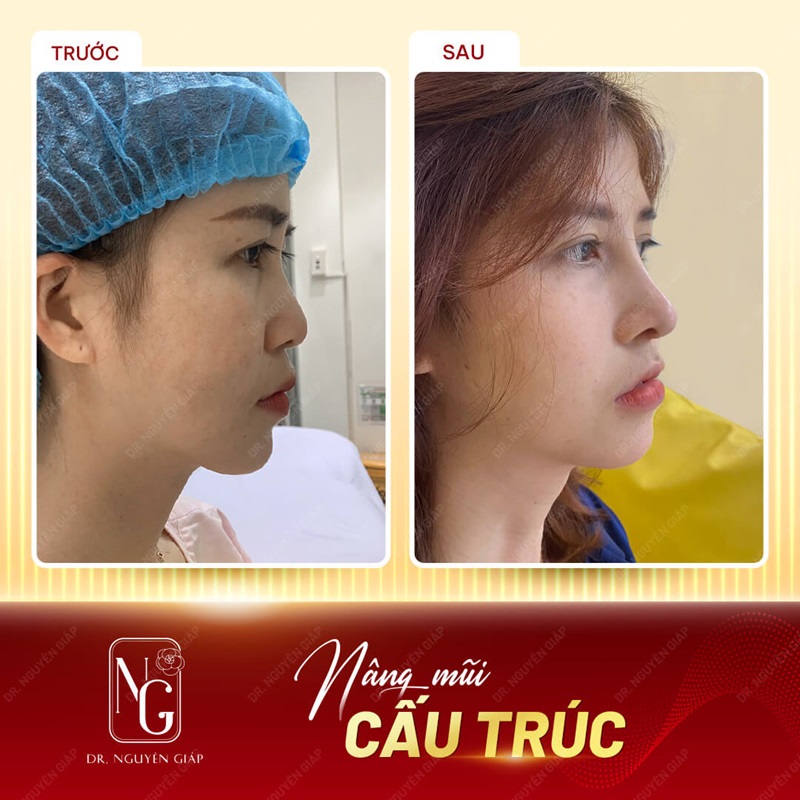
What is Structural Rhinoplasty?
Structural Rhinoplasty is a specialized rhinoplasty technique. In this method, the doctor directly intervenes and dissects the entire bone and cartilage structure to recreate a new shape for the nose, including three independent parts: the nasal bridge, the nasal tip, and the septal support. This is considered the optimal solution for noses with many complex defects or those whose nasal structure has been damaged by previous failed surgeries.
The essence of this technique lies in the division of materials implanted medical a scientific way to reach a biocompatible highest:
- Building universe nose firm: Doctors use discreetn bulkhead itself or rib cartilage number 6 or number 7 through incision laparoscopic cm to reinforced cylindrical nose, lasting the nose, resolved to cons upturned nose, short or shrinkage the tip of the nose.
- Wrap the tip of the nose safety: Use ear cartilage itself or biological tissue , etc. to wrap cushions protect the skin the tip of the nose, prevents completely the complications revealing red ball top nose later.
- Raise nose bar escape: Use cartilage biology senior structural micropores as cartilage Surgiform to enhance the life snub nose. This material helps the cells yarn proliferative tightly integrated into the nasal area, anti-displaced absolute.
Due to its nature of deeply intervening in the anatomical structures inside the chest (when harvesting rib cartilage) and the nasal area, the procedure must be performed through a specific method. anesthesia depth or coordinate money anesthesia in the operating room sterile positive pressure standard the Ministry of health to ensure maximum safety for our customers.
Video answer: rhinoplasty sealed structure can hide the scar is not?
Compare rhinoplasty structure and rhinoplasty semi-structured
To help users avoid confusion that could lead to choosing the wrong treatment plan, the following comparison of accurate medical data will clarify the nature of these two methods:
| Criteria anatomy | Comprehensive structural rhinoplasty | Rhinoplasty semi-structured |
|---|---|---|
| Scope of intervention | Invasive comprehensive: liberation and rebuilding the entire system life the nose, the tip of the nose and the septum. | Intervention region stay part: mainly edit cons of the head, nose or enhance the nose without changing the background skeleton key. |
| Objects specified | This procedure is used for noses with complex defects, severe septal deviation, or nasal retraction and deformation syndrome. | Background nose original little cons, available elevation universe nose firm, just the lack of high life. |
| Material implants | Coordinated multi-chondrocyte (cartilage, cartilage septum, ear cartilage) in combination artificial cartilage premium (Surgiform). | Mainly laid cartilage nose artificial combines a fraction cartilage ear wrap top padding nose. |
| Form emotionless | Required made in the form of anesthesia depth at the hospital to ensure safe dissection technique cartilage. | Just apply method local anesthesia the nose at the specialist clinic. |
Quý khách hàng có thể tham khảo thêm bài viết phân tích chuyên sâu về các phương pháp nâng mũi phổ biến để hiểu rõ hơn về các xu hướng thẩm mỹ hiện nay.
BOOKING FOR DIRECT CONSULTATION
Important Things to Know Before Undergoing Structural Rhinoplasty
Although it offers superior aesthetic results, structural rhinoplasty is a complex procedure that requires thorough preparation and a clear understanding of medical aspects before entering the operating room.
Technically difficult, requires professional certificate of doctor make
Rhinoplasty structure requires the implementation of mandatory must be Therapist plastic Surgery cosmetic with extensive practical experience, the procedure of dissecting autologous rib cartilage, releasing old fibrous tissue connections, or fixing the graft with cosmetic sutures to the septum requires absolute precision to avoid risks of nasal axis deviation or perforation of the nasal tip skin.
Recovery time and stability mechanism nose shape
This method has the level of invasive comprehensive should duration gom form shape will be longer than the rhinoplasty techniques often. The recovery process usually takes place as follows:
- 7 – 10 days: On the nose the eyes appeared, swelling slightly. Customer required to wear the brace shaped nose constantly fixed to the bridge of the nose and the tip of the nose surgery new, at the same time back in the hospital on schedule to doctor performs cutting time, only postoperative.
- 1 – the next 3 months: Nose shape, stable structure, the phenomenon of swelling disappeared completely, implant materials, good compatibility help your nose hit the soft, natural beauty.
Transparency about the risk of postoperative complications can occur
If patients undergo surgery at unlicensed facilities that do not ensure sterile operating rooms, complications such as material rejection, tissue necrosis, or postoperative infection are very likely to occur. Furthermore, the use of autologous cartilage (especially rib cartilage) carries a risk of cartilage atrophy of 5% to 10% over time due to the body's natural absorption mechanism. Experienced surgeons will calculate and adjust the size beforehand to completely control this loss rate.

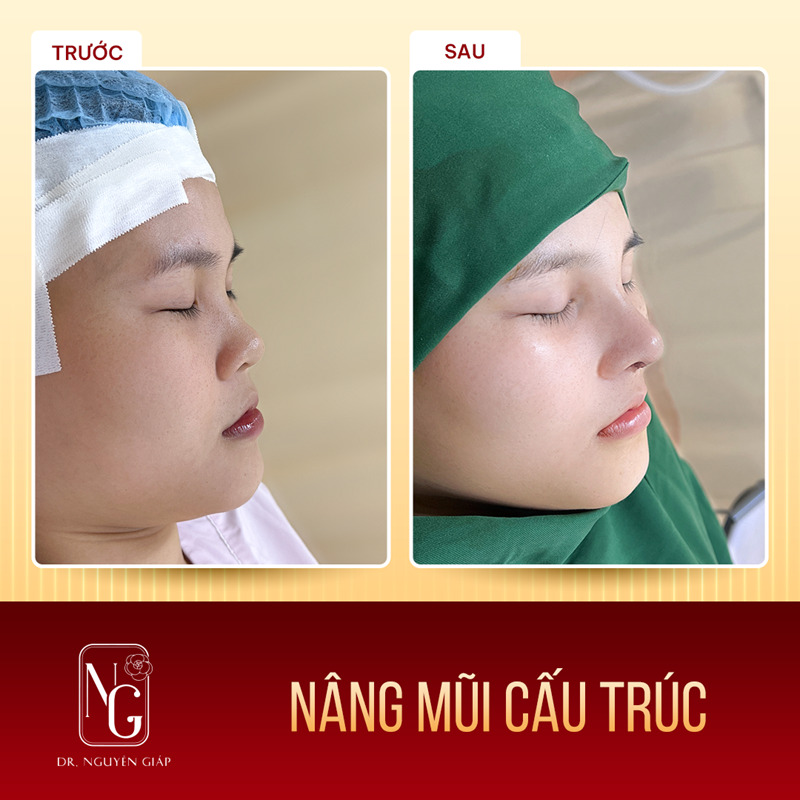
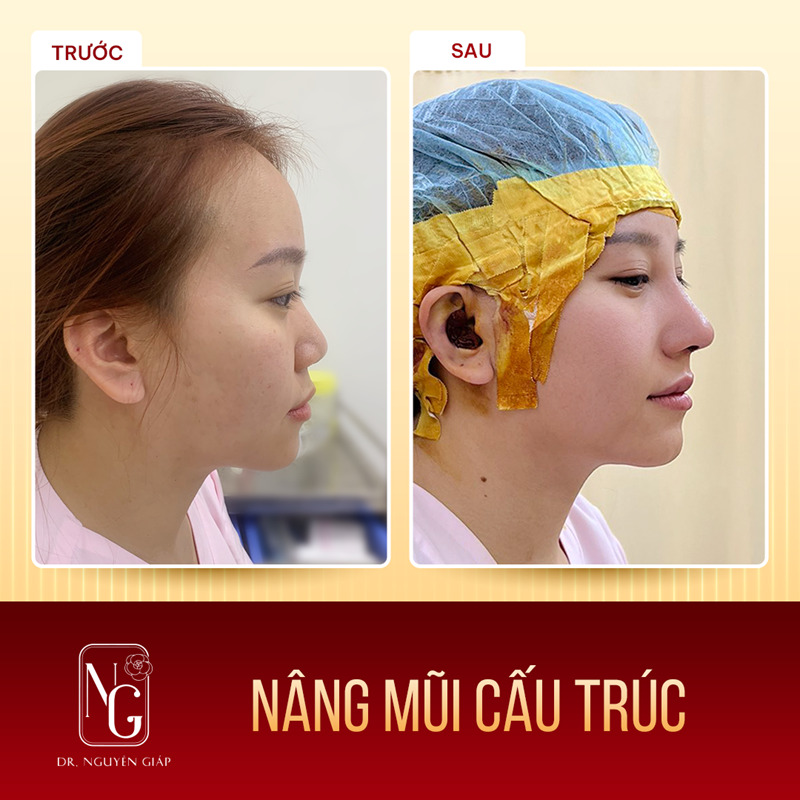
Actual patient testimonials after structural rhinoplasty at Dr. Nguyen Giap Clinic.
Under the skillful intervention of the specialist, the flawed nasal structure has been effectively reconstructed. The new nose shape not only achieves an elegant height according to the golden ratio but is also soft, natural, and harmonious with the overall facial features, minimizing redness or stiffness.

How much does structural rhinoplasty cost?
The cost of rhinoplasty surgery structure package at the medical facility credibility is determined by the nature of expertise, material used and complexity of the surgery.
Below is the frame cost service package at the hospital and clinic specializes in cosmetic dentistry standard medical help you reference, compare:
| Type of surgery rhinoplasty | Frame price service package reference (VND) |
|---|---|
| Rhinoplasty with cartilage casual / Semi-structured, localized | 25.000.000 – 45.000.000 |
| Rhinoplasty structure comprehensive (combined cartilage Surgiform + ear Cartilage itself) | 55.000.000 – 85.000.000 |
| Rhinoplasty structure rib cartilage itself full / nose broken, shrinkage heavy | 110.000.000 – 160.000.000+ |
Please note that a safe, all-inclusive price always includes the cost of a CT scan of the nose to check the septum before surgery, general health check-ups, fees for a sterile operating room with positive pressure, and a post-operative antibiotic package. Customers interested in the optimal solution using autologous tissue can find more information in the article about this method. of rib cartilage rhinoplasty.
Structural rhinoplasty is not a simple minor surgery but a complex major plastic surgery. The person performing it must be a highly skilled surgeon. Specialist II in Plastic and Aesthetic Surgery A doctor with extensive practical experience and keen medical insight. The procedure of dissecting autologous rib cartilage, releasing old fibrous tissue connections, or fixing the graft requires absolute precision. Choosing a doctor with specialized training and practical experience from leading countries such as the United States and South Korea will ensure complete control over the risks of nasal axis deviation or skin perforation, resulting in a safe and lasting nasal shape.
Implementation process
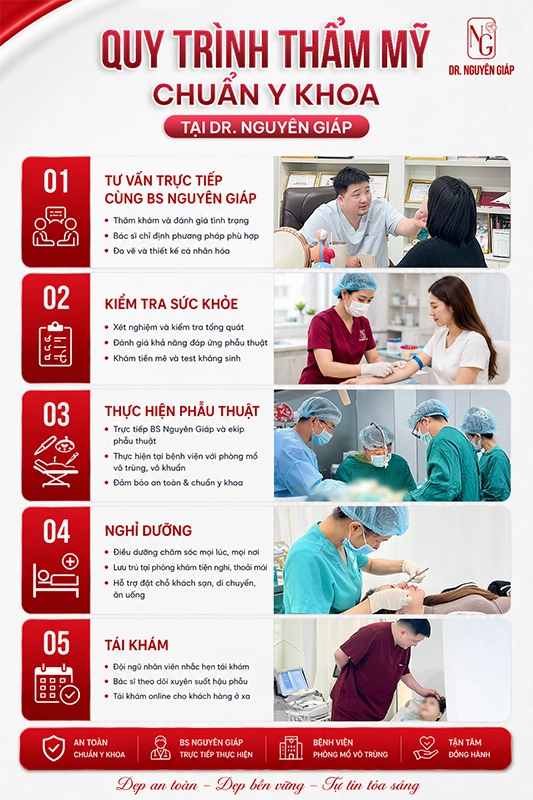
For maximum control, the risk of complications and ensure cosmetic result is optimal according to facial proportions của từng cá nhân, quy trình nâng mũi cấu trúc được thiết lập nghiêm ngặt qua các bước khoa học tại phòng khám.
Conclusion
Structural Rhinoplasty is the perfect choice for those who want to completely overcome nasal defects, possess a slim and sustainable nose shape over time. This method not only brings high aesthetics but also ensures safety if performed by a good doctor at a reputable facility.
You're wondering what the nose shape would fit? Feel free to leave comments or contact now to receive free consultation from the team of cosmetic experts at Dr. Nguyen Giap.
The information in the article is for reference only and does not replace direct medical advice. Always discuss with your doctor before deciding on surgery.
 Vietnamese
 English

Dr. Trần Nguyên Giáp graduated with a degree in General Medicine from Ho Chi Minh City University of Medicine and Pharmacy. He then pursued postgraduate studies specializing in Otolaryngology, Aesthetic Plastic Surgery, Microsurgery, and Flap Surgery.
Articles on the same topic:
Is Rhinoplasty With Threads Safe?
Can You Eat Eggs After Rhinoplasty? How Long Should You Avoid Them & Advice
List of reputable rhinoplasty clinics in Ho Chi Minh City
Comparison: Structural Rhinoplasty vs. Standard Rhinoplasty
Recipes rhinoplasty feng shui attracting wealth
What Is Softxil Cartilage? Is It Good?