
In recent years, devices such as LED light therapy domes at spas, at-home LED face masks, and post-acne light therapy treatments have become increasingly popular. Many people consider this a "gentle yet effective" skincare step, especially for acne-prone skin, sensitive skin, skin after treatment, or skin that is beginning to show signs of aging.
However, to properly understand Effects of LED Light Therapy on SkinWe need to look at this method from a scientific perspective: how each color of light affects the skin, which conditions it is suitable for, and when caution is needed.
This article by , Dr. Nguyen Giap will help you understand what photobiological light therapy is, the effects of different photobiological light colors, and how to apply this therapy safely, without being swayed by excessive advertising.
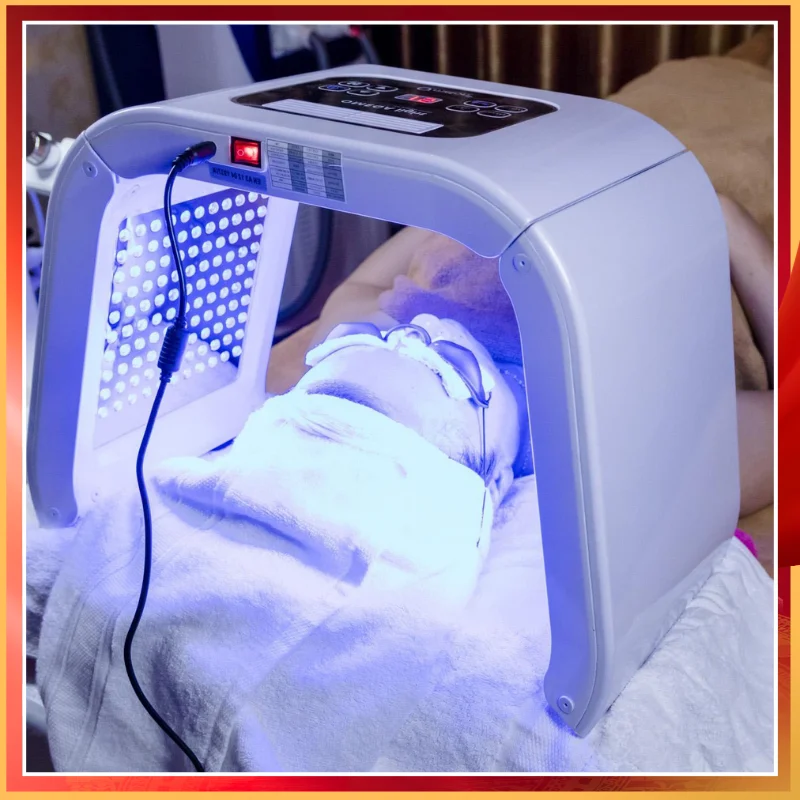
What Is LED Light Therapy?
LED Light Therapy In aesthetics, it is generally understood as a therapy using LED light with a specific wavelength to act on the skin. Unlike invasive lasers or high-intensity light, LEDs typically use lower energy and do not create strong thermal damage to the skin surface.
Each light color corresponds to a different wavelength range. The longer the wavelength, the greater the ability to penetrate deeper into the skin. Therefore, red, blue, yellow, green, or violet light differs not only in color, but also in its biological impact targets.
In skin care bio light is often used to support:
- Soothes the skin after squeezing pimples, peel or treatment.
- Support the reduction of inflammation in acne is mild to moderate.
- Promote recovery protective barrier of the skin.
- Support improved signs of early aging as poor skin tone, wrinkles, small.
- Helps the skin to relax, relieve burning sensation or stretch after intensive care.
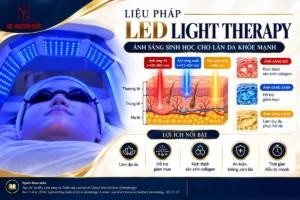
How LED Light Therapy Works?
The main mechanism of light is the photon of light is skin cells absorbed, from which activate a number of biological responses inside the cell. An easy to understand, the light does not “burn” the skin, which interact with cells through light energy at the right level.
At certain wavelengths, light can support the production of ATP, the cellular energy source. When cells are in better condition to function, the skin can recover more stably from minor damage, reducing inflammation and improving its self-repair capabilities.
However, the effects are not seen after one session; LED light therapy requires the right wavelength, the right time, the right distance, the right frequency, and suitability for the skin condition. If used incorrectly, with low-quality equipment, or with excessive irradiation, the skin can still become irritated, burning, or uncomfortable.
Video review client after using the service at the Doctor Nguyen Giap
What Different LED Light Colors Do for Your Skin
Each color of light has its own specific role. So, when asked “the light that good no,” answers rather: well when choosing the right light shade for the right skin problem.
Red Light Therapy Benefits
Red LED light is typically in the range of 630nm – 640nm. This group of lights is commonly used in anti-aging skincare, post-minor treatment skincare, or skincare requiring restoration.
Biologically, red light can help increase local circulation, reduce inflammatory responses, and stimulate fibroblast activity. Fibroblasts are a group of cells involved in the production of collagen and elastin, two important components that help keep skin firm and elastic.
So, What are the effects of red LED light therapy?? Can be summarized as follows:
- Support to reduce redness and soothe the skin after intensive care.
- Support restore the skin after squeezing a pimple, peel mild or non-invasive laser.
- Contribute to improve the elasticity and firmness of the skin.
- Support smoothes small wrinkles if maintained regularly.
To note, the red light can't replace the method rejuvenate intensive in case of skin sagging more, deep groove or aging structure clearly. This should be considered as a supportive therapy in the regimen skin care overall.
Blue Light Therapy for Acne
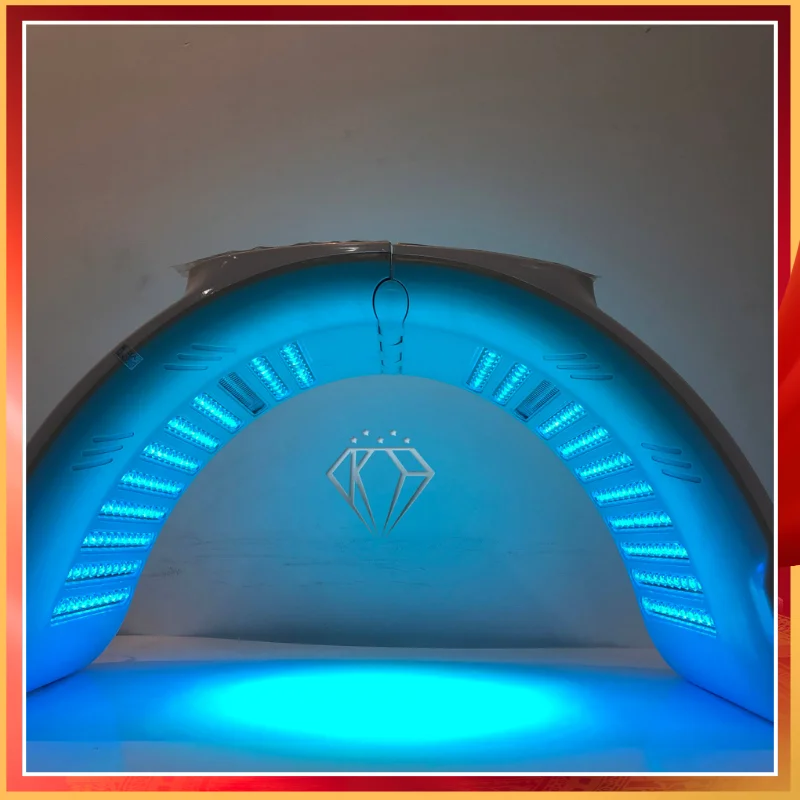
Light blue is often located in the range 415nm – 420nm. This is the color light is mentioned a lot in the process acne treatment with light bio.
The prominent mechanism of blue light is its effect on the bacteria Cutibacterium acnes, formerly known as P. acnes, one of the factors associated with acne. When used correctly, blue light can help reduce inflammation, decrease the number of mild inflammatory pimples, and help control oil production.
Benefits are often expected to include:
- Support reduced inflammatory acne is mild to moderate.
- Help collectors cồi acne faster in some cases.
- Support reduce redness after squeezing a pimple.
- Contribute to limit the recurrence of acne when combined proper skin care.
However, for cystic acne, severe acne, hormonal acne, or acne that leaves scars, blue light should only be used as a supplementary therapy. People with persistent acne still need to be evaluated by a dermatologist to receive an appropriate treatment plan.
Green Light Therapy for Hyperpigmentation
Green light is often introduced at around 525nm. In skincare, this light color is often used for dull skin, uneven skin tone, easily irritated skin, or skin with post-acne marks.
In theory, green light can help soothe the skin and contribute to mild regulation of pigmentation. Therefore, many spa treatments use green light for people with sensitive skin, skin prone to redness, or new acne scars.
However, for deep melasma, long-standing freckles, or severe post-inflammatory hyperpigmentation, conventional bio-light therapy alone is not enough. These conditions require a combination of strict sun protection, appropriate topical active ingredients, and a personalized treatment plan.
Yellow Light Therapy Benefits
Yellow light is often referred to at around 590nm. This group of light therapy is commonly used for thin, weak skin, skin prone to redness, skin after treatment, or skin with a weakened protective barrier.
Some of the benefits are often expected to include:
- Support soothe the burning sensation, stretch red.
- Recovery support protective barrier of the skin.
- In accordance with sensitive skin needs gentle care.
- Contribute to reduce mild swelling after the steps skin care intensive.
For skin that has been irritated by harsh cosmetics, excessive treatments, or using products of unknown origin, yellow light therapy can be considered a supportive step in recovery. However, the most important thing is to stop the irritant and rebuild a minimalist skincare routine.
Purple, Amber, and Cyan LED Light Therapy
Some devices now integrate more light color like purple, orange or cyan. Light purple usually is a combination of red and blue, it is commonly used with the target medium support acne, just support the restoration of the skin.
Light orange and cyan are usually introduced in the process, brighten skin, boost metabolism, cells and support the skin tired, dull color. However, the level of evidence can be different between each color light, each device and each regimen used.
So, when selecting the data, you should not select only according to the color beautifully. Ask unknown devices use wavelengths which capacity, the time projection how long and can fit in with the skin condition is at no.
Does LED Light Therapy Really Work?
Light bio can be good if used properly indicated. This method is non-invasive, does not usually cause pain, do not need to resort and can be combined in many skin care process.
The outstanding advantages including:
- Do not create open wounds on the skin.
- Less obtrusive compared with more invasive procedures.
- Can be used for many skin types, including sensitive skin, as chosen the right wavelength.
- Suitable to aid recovery after squeezing acne peel, laser light or treatment.
- Can be combined with skin care at home to maintain the results.
However, light does not have to “miracle” for every skin problems. If the skin is inflamed, infection, cystic acne spread, pigmentation depth or have a pathology, dermatology, you should see a doctor instead of just using a face mask LED or spa journey.
Who Should (and Shouldn't) Use LED Light Therapy?
Photobiological light therapy is generally suitable for people with mild to moderate acne, post-acne skin, sensitive skin needing soothing, post-treatment skin, or those who want to support the care of premature aging skin.
The group may consider using include:
- Who suffer from inflammatory acne light, acne hide skin oil.
- The senior new breakouts, uneven skin color lighter.
- People have black red, easy to irritation after skin care.
- People want to support, improve firmness, smoothness and brightness to skin.
- People who need to recover after the therapy dermatology under the expert guidance.
Some cases need to caution or consult a doctor before use:
- People who have the disease the light sensitive.
- People are taking medications can make the skin sensitive to light.
- Who are pregnant or breastfeeding.
- People who have skin lesions, upskirt, infection, burning or inflammation of the skin level.
- People with a history of dermatological diseases, complex, or are treated with prescription drugs.
If you're taking acne medication, strong retinoid sugar drink or high treatment concentrations are high, so talk to your doctor before using the device light at home.
Common Forms of LED Light Therapy Application
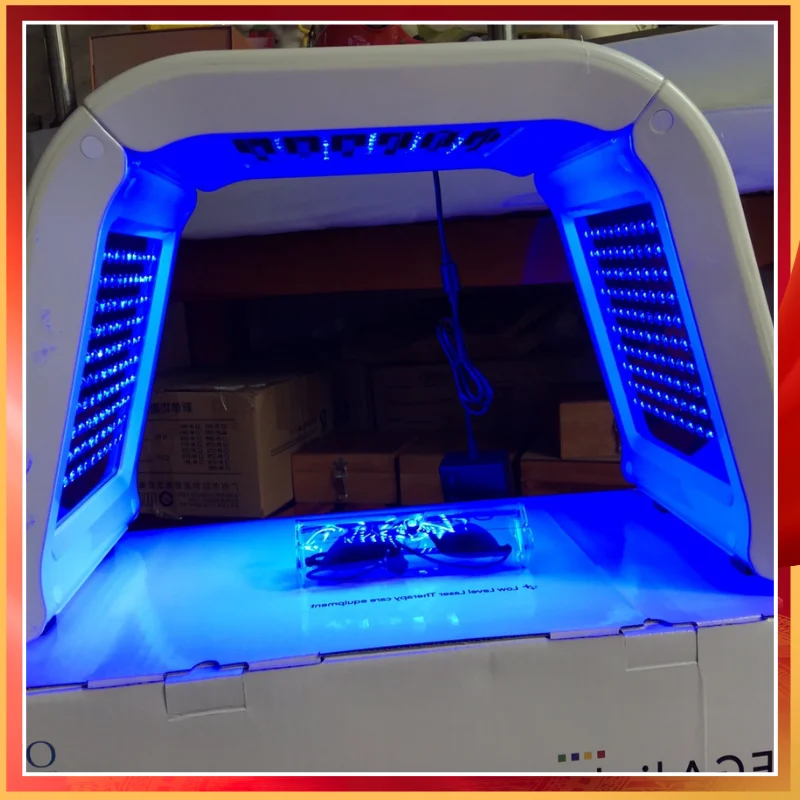
LED Light Therapy in Dermatology Clinics
When asking what a LED light therapy dome does, it's important to understand that this is a device with wide coverage, often used in intensive skincare procedures. The light dome can evenly illuminate the entire face, neck, or the area of skin requiring treatment, depending on the device's design.
At spas or clinics, light domes are often placed as the final step after cleansing, extraction, gentle peels, or electrophoresis. The goal is to soothe the skin, reduce redness, support recovery, and increase comfort after the treatment.
Mask LED skin care at home
Mask LED skin care is the individual devices are many options for convenience. The advantage is easy to use, can maintain regularly at home and fit with the want to take care of the skin gently.
However, home devices usually have lower power than professional devices. Therefore, the effects are often slow, require patience, and should not be expected to completely replace medical treatment.
When using a face mask LED, you should carefully read the instructions of the manufacturer, eye protection properly, not too time recommendations and discontinue use if skin burning, redness lasts or discomfort, unusual.
Skincare Procedure with LED Light Therapy
A LED light therapy skincare procedure is usually tailored to your skin condition. For acne-prone skin or skin after treatment, the technician or doctor may adjust the order to minimize irritation.
Process reference include:
- Clean the skin: makeup remover, face wash and remove dirt, excess oil.
- Exfoliation or soften skin: only done when the skin is healthy enough and has just the right.
- Primary treatment: take blackhead, peel lightweight, mobile or intensive care purchase target.
- Light bio: choose the light color according to skin condition such as red to recover, blue for acne prone skin, for sensitive skin.
- Apply nutrients recovery: use serum, cream or mask suitable to soothe and lock in moisture.
- Sunscreen: mandatory in the daytime to protect your skin and maintain effective care.
Some place the light directly on clean skin, some places projector in combination with paper mask or nutrition professional use. How suitable also purchase equipment and products served and skin condition.
FAQs (Frequently Asked Questions)
Light bio how many times a week?
- The usual frequency is 2-3 times per week with a home device, or according to a personalized treatment plan at a spa or clinic. For sensitive skin, skin undergoing treatment, or skin that has recently been irritated, start with a lower frequency and monitor your skin's reaction.
Light bio can do black not?
- Generally, LED light used in skincare does not contain UV rays like sunlight, so it does not darken the skin through UV radiation. However, if the device generates a lot of heat or your skin is prone to hyperpigmentation, you should still be cautious and use sunscreen diligently.
Should the light bio before or after a face mask?
- This purchase of masks and instructions of the data. Many processes screening on clean skin before applying nutrients. Some of the data re-projection in combination with paper mask dedicated to support calming and increase feelings of relaxation.
Light biological treatment of acne no?
- Light can support reduce mild to moderate acne, especially when using light blue or coordination, blue, red. With acne, extreme, hormonal acne, cystic acne or acne scarring, need treatment regimen dermatology full.
Conclusion
The Effects of LED Light Therapy on Skin depending on the light color, wavelength, equipment, frequency, and individual skin condition. Red light is often used to support recovery and mild anti-aging; Blue light helps with acne; yellow and green light are commonly used for sensitive skin, skin that needs soothing, or skin that needs a more even tone.
This is a non-invasive skin care treatment that can be beneficial when used correctly. However, for lasting results, phototherapy should be combined with proper cleansing, moisturizing, sun protection, appropriate treatments, and professional advice when skin problems persist.
This article is for informational purposes only and does not replace diagnosis or treatment from a dermatologist. If you have a skin condition, are taking prescription medication, or have photosensitive skin, consult a professional before using light therapy.
 Vietnamese
 English

Dr. Nguyen Giap's Assistant for the Dr. Nguyen Giap website, with over 6 years of experience in developing content in the fields of aesthetics.
Articles on the same topic:
8+ Ways to Quickly Reduce Facial Fat in 1 Week for a Slimmer Face
What Should You Do About Large Pores?
How to Whiten Underarm Skin at Home
How long does skin take to return to normal after microneedling?
🌴 How to Drink Coconut Water for Safe & Effective Belly Fat Reduction
What is spirulina drink good for skin?