
When it comes to rhinoplasty, many people are often interested nose S-line, L-line, nose high or nose naturally. But in plastic surgery of the nose, a factor silently decided durability, softness and level of long-term safety is nasal cartilageThe cartilage material used for rhinoplasty not only helps to raise the nasal bridge, but also relates to the ability to shape the nasal tip, build a nasal support, cover thin nasal skin, minimize visible implant edges, redness, or complications after many years. However, no single type of cartilage is best for everyone. A good nasal cartilage must be suitable for the nasal base, skin thickness, autologous cartilage structure, surgical history, and aesthetic expectations of each individual patient.
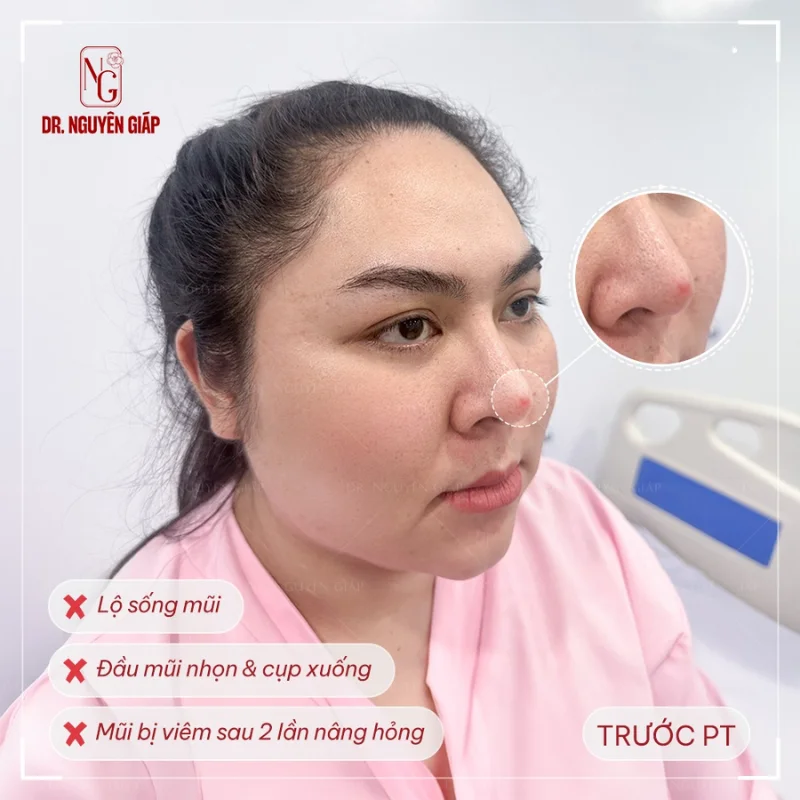
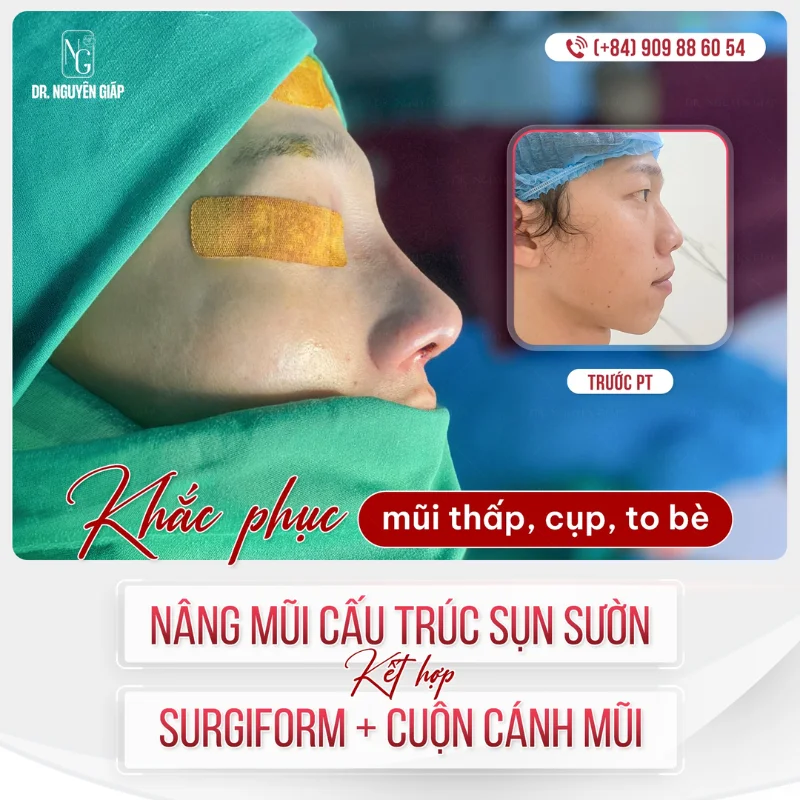
What is nasal cartilage?
Nasal cartilage In cosmetic surgery, cartilage is a material used to raise, lengthen, shape, or reinforce the nasal structure. Depending on the method, the doctor may use artificial cartilage, biocompatible cartilage, or autologous cartilage taken from the patient's own body.
In rhinoplasty, modern, cartilage nose often undertook three main roles:
- Raise the bridge of the nose: help the bridge of the nose more clearly, create lines in harmony with the face.
- Protection and shaping the tip of the nose: limit the pressure directly to the skin of the nose, especially in the skin, thin nose.
- Build space and re-structure nose: usually needed in cases of short nose, upturned nose, rhinoplasty or nose shrinkage.
So, select the cartilage should not be based only on the trade name. The more important thing is, doctor, to understand the material, know, put the right class, create your true power and better control the risk of complications.
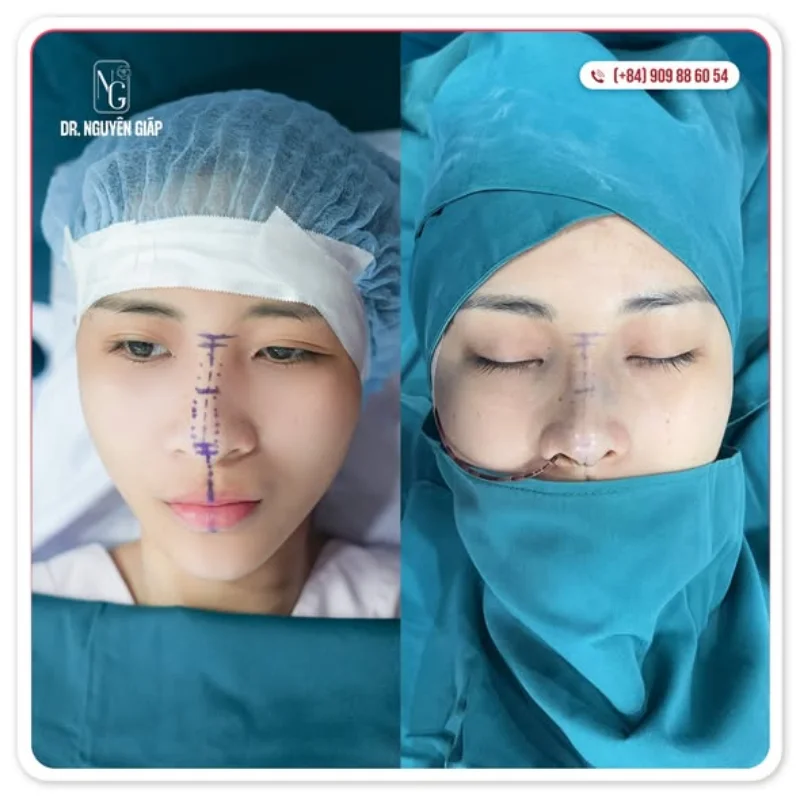
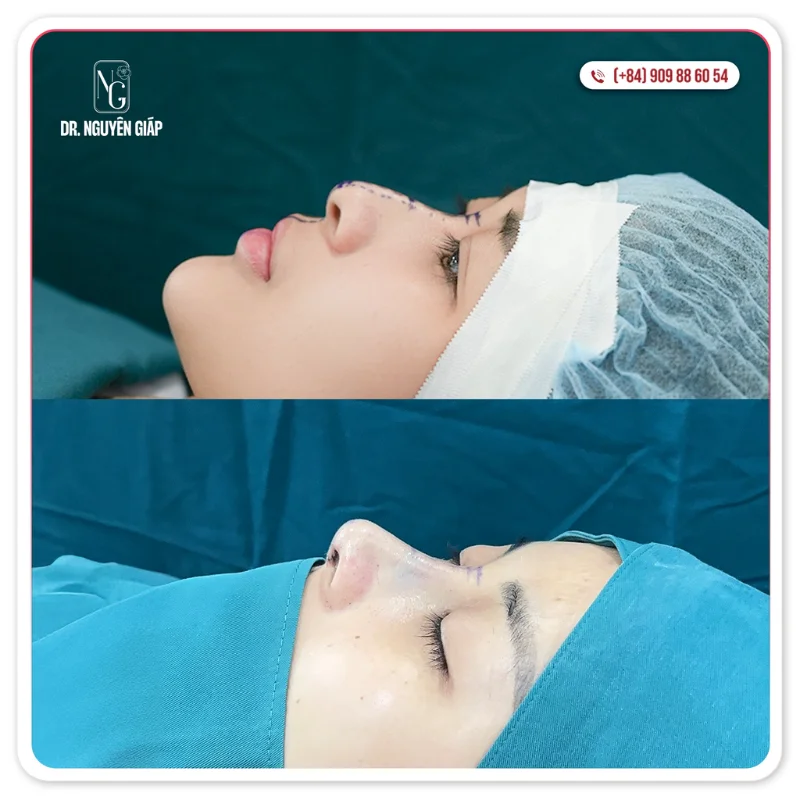
Criteria for Evaluating a Good Nasal Cartilage
A type of cartilage nose was considered suitable if they meet the aesthetic requirements and biological safety. Under angle surgery, the doctor usually assessed through the following criteria:
- The bio-compatible: material as well as reduce the risk of inflammation, rejection, infection, or tissue reaction disadvantages.
- Flexible: help the doctor to create and help shape the nose after lifting't too hard.
- Possibility of long-term stability: limiting move, warping, shrinkage or deformation over time.
- Fit skin tip: big nose thin, needs soft material, less pressured and may need additional layers of protection wrap.
- Capable of handling when in need of revision: some material adhesion sure than should be experienced doctors if you have to remove or edit.
- Origins clear: cartilage need to have records, label, country of origin and used in medical facilities eligible.
Video Doctor Nguyen Giap share the cartilage in rhinoplasty surgery modern
Quick Comparison Table of Common Nasal Cartilage Groups
| Group cartilage | Main advantages | Limitations should be noted | In accordance with who? |
|---|---|---|---|
| Cartilage silicon | Easy shaping, low cost, popular perennial | Risk, including fiber, road life, red ball, if placed wrong or thin skin | The nose skin is thick enough, lift, live simply, expect moderate |
| Cartilage biology ePTFE | Softer tissue can adhere on the structure, porous nature more | The high cost, more difficult to remove than if adhesion more | People want to live nose soft limit hard feelings |
| Autologous | High compatibility, suitable forming the tip of the nose/head nose | Need to take cartilage from the body, depends workmanship doctor | Nose structure, nose revision of nose short nose shrinkage |
| Upholstery material lined as ADM/Megaderm | Support cover, reduce pressure on the thin skin | Can spend a part, not building materials, live the | Skin, thin nose, the tip of the nose is weak, need to layer padded protection |
High-end Artificial and Biocompatible Nasal Cartilage Group
Group of artificial cartilage and cartilage biology is often used to raise the bridge of the nose because the advantage is no need to take cartilage from the body, duration of surgery is usually shorter compared to the ca complex structure. However, the efficacy and safety depends greatly on the quality of cartilage, technical dissection cavity set cartilage and the way doctor treats the tip of the nose.
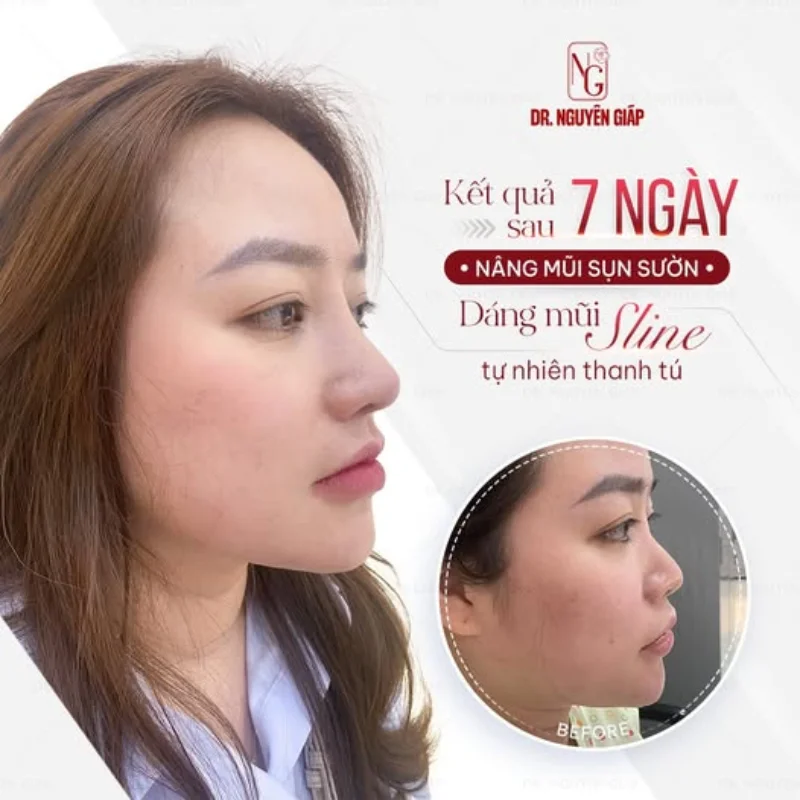
1. Traditional Flexible Silicone Cartilage
Silicone cartilage is one of the oldest types of artificial nasal cartilage used in rhinoplasty. This material has the advantages of being easy to cut and shape, easy to create S-line or L-line shapes, relatively affordable, and available in many sizes.
However, silicon is not the ideal choice for all cases. If the skin is thin nose, the tip of the nose, weakness or doctor put the cartilage is too high, prolonged pressure can increase the risk of exposing live, red ball tip deflection wave or shrinkage fiber.
Silicon more suitable with people who have the nose skin is thick enough, the background nose relatively stable and only need to improve life at a moderate level. With each rhinoplasty broken nose skin thin or have signs reveal cartilage, need to visit before you continue using this material.
2. Surgiform Biocompatible Cartilage
Surgiform material is ePTFE, commonly known as cartilage biology senior in rhinoplasty. Outstanding characteristics of ePTFE is structured micro-porous, allows the adsorption on the surface of the material, which helps cartilage more stable after setting the correct compartment.
Compared with silicon, Surgiform often for soft feel and less make sense of “the bridge of the nose fake” if-formed fit. This is the reason many customers are interested in (e.g., Surgiform, Megaderm when you want to beautiful nose shape, but still natural.
Even so, Surgiform not synonymous with no complications. If you choose to close is too high, set the cartilage wrong class, sterility does not guarantee or care after the surgery, the poor, the risk of inflammation, deviation or right editing can still happen.

3. Nanoform Biocompatible Cartilage
Nanoform is often introduced as line cartilage biology and soft, lightweight and the possibility of sticking pattern well. This material is directed to feeling more natural while palpation, at the same time limited support to move after tissue stability.
In fact, Nanoform may be suitable for those who want to raise the nasal bridge but don't want the nose to look too stiff. However, the doctor still needs to assess the nasal skin, desired height, and tip structure before making a decision.
It is important not to choose Nanoform just because the name “nano” listen to modern. Good material be effective only when placed in the properly designated.

4. Softxil Bistool Cartilage
Softxil Bistool is the line artificial cartilage/bio is designed to match the shape and softness. A number line has multi-layer structure, layer on hold, form the bridge of the nose, the lower layer is softer to exposure to background bone.
The advantage of this design is to help the bridge of the nose stability, but still reduce the feeling of hard when seeing or touching. This can be a option for people who want to lift the nose clean, but don't want to close is too sharp.
However, as well as any artificial material other Softxil Bistool should be using the right techniques. If the skin is thin nose or tip of the nose pressure is too large, your doctor may need to coordinate chondrocyte or material coated lining.
5. Pureform Biocompatible Cartilage
Pureform is often classified as an ePTFE biocompatible cartilage. This material is characterized by its softness, good tissue compatibility, and suitability for natural-looking rhinoplasty, minimizing stiffness in the nasal bridge.
Pureform can be considered for those customers who want to improve the bridge of the nose, but concerned about the condition revealing or red ball of the nose skin is not too thick. However, with the nose weak, short nose or nose should last many, just lift live by cartilage biology is not enough.
Meanwhile, the doctor can advise the method of rhinoplasty coordination as rhinoplasty semi-structured or unstructured, depending on specific status. You can read more about the method of rhinoplasty popular to understand the differences between each technique.

6. Cartilage biology FlexiForm
FlexiForm is often referred to with the characteristics of flexible, easy-to-shape and has good elasticity. The goal of the series cartilage this is to help the bridge of the nose after lifting not too trimmer, more fit to face East Asia need softness.
This can be selected in the ca raising the bridge of the nose, first, background nose not too complicated and customers want to nose naturally. However, if the nose has many defects such as septal deviation, the nose short, cylindrical weak or had surgery on broken, doctors often have to support structure with autologous cartilage.
In the long term, the stability of the nose shape depends not only on FlexiForm or any type of cartilage, but also on the technique of creating the cavity, fixing the cartilage, and post-operative care.
7. Cartilage Gore-Tex
Cartilage Gore-Tex material is ePTFE, belongs to the group of cartilage biology, artificial, often used to raise the bridge of the nose. This material is structured micro-porous help soft tissue can attach to the cartilage surface after setting the correct location, from it support to increase the stability of the bridge of the nose.
Compared with silicone, Gore-Tex for soft feeling, less make sense of life the nose too hard or too sharp. So, cartilage, Gore-Tex can fit people who want to improve the shape of the nose, but still preferred looks natural, in harmony with the face.
However, due to tissue can adhere to the surface material, removing or editing Gore-Tex later can be more complex than silicon. So what kind of cartilage, this needs to be specified carefully, especially with the case where each nose broken, nasal tissue is weak or has a history of inflammation.
8. Cartilage Superform
Cartilage Superform is often referred to in the group cartilage biology premium user to lift the nose. This material is directed to the balance between the ability to hold form and softness, helps the nose after lifting't too hard or too rough.
Superform can be consider for the customers rhinoplasty, first, background nose relatively stable, big nose, not too thin and desired nose shape moderately high. When created the fit, the bridge of the nose may look elegant, but still retain the natural.
Even so, Superform can not completely replace the role of the chondrocyte in the short nose, the tip of the nose is weak, universe nasal inferior or need to re-structure complex. With these cases, doctors often need to coordinate more cartilage earrings, cartilage septum or rib cartilage to increase the ability to lift.
9. Cartilage Prosil
Cartilage Prosil is one of the line artificial cartilage is used in lifting the nose. Depending on the design, Prosil can have plasticity, elasticity and ability to retain, various, help, doctor, form the bridge of the nose to fit the face.
Advantages of Prosil is easy to shape, can support, improve the bridge of the nose, low nose, teen, high or nose unclear contours. With people who have the nose skin is thick enough, soft tissue stable and just lift live at a moderate level, this could be an option in the group artificial cartilage.
However, as well as the other artificial materials, Prosil need to be used properly indicated. If set cartilage too high, the cavity set cartilage non-standard or first nose is not well protected, the risk of red ball, exposing live, deflection life or stretch the instant the nose can still happen.
10. Cartilage Microform
Cartilage Microform often introduced as the flow of materials, biological/artificial tends soft, lightweight, and support the creation nose naturally. Type of cartilage in this direction to improve the bridge of the nose, but still limited sense of numbness after surgery.
Microform can match customers want to raise the bridge of the nose, improve the serene of face, but don't want the nose is too sharp. In some cases, the doctor can coordinate Microform with autologous cartilage to just lift live, just support protect the tip of the nose.
However, do not choose Microform just because the name sounded modern. The important thing is still the skin condition, the nose, the thickness of soft tissue, the length the nose, the firmness of the nose and experience of the doctor in the cavity, put the cartilage and fixed nose shape.

11. Megaderm and upholstery materials, lining the tip of the nose
Megaderm is the material derived from the leather background acellular, is often used as a buffer layer or layer wrapped in a number of cases of rhinoplasty. This material is not always used to improve the life itself, which often support cover skin thin nose, reduce the pressure of life the nose artificial up of soft tissue.
With the thin nose, each is the red ball or disturbing expose of life, the doctor can weigh the material upholstery as Megaderm, ear cartilage or weight depending on circumstances.
Need to understand right: Megaderm not “shield absolute” against all complications. If set to live too high, too thin skin or nasal tissue was hurt badly, still need surgical option is more suitable instead of just adding a layer of wrap.
Autologous cartilage taken from the patient's own body
Autologous rhinoplasty is cartilage taken from the body of the customer. The big advantage is the bio-compatible, low risk of allergy material and are particularly useful in forming the tip of the nose, construction, space, nose or rhinoplasty broken.
However, autologous also not always simple. The taking of cartilage requires additional incision, the recovery and the doctor must have techniques to handle cartilage good to limit warping and pepper cartilage or distortion.

12. Cartilage tragus
Ear cartilage curved natural, soft and relatively easy to create the picture. In the nose, ear cartilage is often used to wrap the tip of the nose, which helps the tip of the nose is softer, more rounded and reduce the direct pressure of the artificial cartilage to the skin.
Advantages of ear cartilage is well compatible, suitable with people who have a thin nose, or need to protect the tip of the nose when lifting life by artificial cartilage. This is also familiar materials in rhinoplasty with ear cartilage.
Limit is the amount of cartilage ear no more and hardness is not enough to build the universe arrow in the ca need to re-structure strong. So, cartilage ear often plays the role coated liner than it is to lift the.
13. The cartilage of the nasal septum
Cartilage septum, located inside the nose, is characterized by relatively straight, solid and suitable to build the universe or support extends the tip of the nose in some cases. So get right in the surgery, the cartilage of the septum does not create additional incision in the ear or chest.
In rhinoplasty structure, cartilage septum are often valued because of their ability to lift well. However, not everyone has enough cartilage septum to use, especially in the nose, small septum weakened by injury or had surgery nose before that.
When taken cartilage septum, the doctor must preserve important structural part in order not to affect respiratory function and stability of the nose.
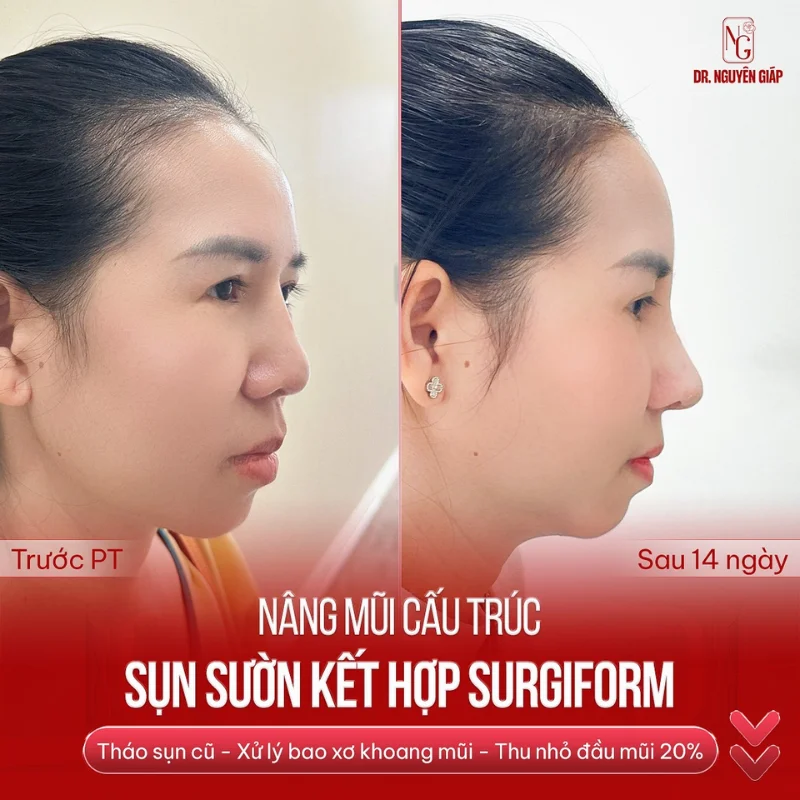
14. Rib cartilage itself
Rib cartilage is the material itself has the amount of cartilage is abundant, good hardness and ability to re-structure strong. This option is often considered in cases of nose revision of nose damaged, nose shrinkage, short nose, head, nose, weakness or lack of autologous cartilage in the nose.
With of rib cartilage rhinoplastydoctor can create frames, nose firmly over, stretching the nose and handle the deformation complex. This is the reason rib cartilage is often considered important material in surgical nose structure depth.
Limitations of rib cartilage is need to get the cartilage in the chest, can hurt more than in the early stages of recovery, there are small scars in the region of the cartilage is removed and there is the risk of warping if the handle is not technically correct. So this method need experienced doctor specializing in rhinoplasty.
15. Temporomandibular Joint and Autologous Grafting Material
Temporal fascia is not cartilage in the conventional sense, but in rhinoplasty surgery, it is an autologous material that can be used to cover, protect, or soften the nasal bridge and tip in some necessary cases.
This material is typically weigh when the skin is thin nose, soft tissue elements, each is the red reveal life or need to increase coverage for the cartilage surface. Because is taken from the body, balance the sunfish has the biocompatible good and less risk of allergic materials.
However, temporalis fascia is not a mandatory choice for all rhinoplasty cases. This method requires additional tissue harvesting, demands experienced surgeons to handle autologous materials, and is usually only suitable for cases requiring increased soft tissue coverage or complex nasal revision.

Which type of nasal cartilage should you choose for each condition?
Instead of asking “cartilage nose the best today is kind,” the question rather is: “the condition of his nose match the type of cartilage how?”. Here are some suggestions orientation.
| Status nose | The material is usually weigh | Reason |
|---|---|---|
| Nose first, big nose, thick enough | Silicone, flexible, Surgiform, Pureform, Nanoform | Can improve the bridge of the nose if the nose does not need to much |
| Big nose, thin red ball | Cartilage biology software, cartilage earrings, Megaderm | Help reduce pressure support cover soft tissue |
| The top short nose, head, nose, weak | Cartilage septum, ear cartilage, rib cartilage | Need material lift instead of just lifting life |
| Nose revision, shrinkage, complications | Rib cartilage itself, coordinated upholstery materials lingerie | Need to re-frame structure nose make over |
| Want to nose shape, soft, natural | ePTFE, cartilage earrings, technical sales structure | Priority softness and harmony with the face |
Combining Artificial and Autologous Cartilage in Modern Rhinoplasty
Trend rhinoplasty is now no longer simply place a bar of artificial cartilage in the nose. In many cases, the doctor will coordinate a variety of materials to just raise the bridge of the nose, just protect the tip of the nose and structural stability.
Recipe frequently as artificial cartilage or cartilage biology for life the nose, while chondrocyte-like cartilage earrings, cartilage septum or rib cartilage is used to wrap the tip of the nose, construction, space, or extend the tip of the nose.
How to coordinate this helps to reduce the pressure of the artificial material onto the tip of the nose, at the same time allowing doctors to create the shape of the nose to better fit every face. For those who're learn Rhinoplasty andthis is the very point should be to ask questions in the consultation.
What complications can poor-quality nasal cartilage cause?
Material cartilage nose augmentation of unknown origin, cartilage floating or set cartilage wrong technique can increase the risk of complications. Some common problems include:
- Deviated nose, nose rugged or loss of balance.
- Red ball top nose, tightness lasts.
- Reveal the bridge of the nose or cartilage of the nose.
- Infection, discharge, soreness, unusual.
- Shrinkage nose, short nose, upturned nose after a long time.
- To remove cartilage or revision surgery many times.
If after rhinoplasty appears in expressions such as the scalp, nose thinner, red ball, soreness, discharge, or see the material under the skin, you should go to the doctor soon. Can refer to the article about sign expose the cartilage of the nose after surgery to get to know timely.
Tips for Choosing Safe Nasal Cartilage Before Surgery
To select materials cartilage rhinoplasty accordingly, customers should start by visiting the clinic directly instead of just see the price table or photo ad.
- Reviews nose skin: thick skin, thin skin, the skin had surgery or have fibrous scar tissue will need to select the cartilage different.
- Top rated tip: the tip of the nose, weak should not only raise the high life that ignores the lift structure.
- See a history of surgery: nose back often need to plan more complex nose first.
- Check the source cartilage: cartilage should have the label information, country of origin and used in the facilities that qualify.
- Choose experienced doctor: good material can still cause complications if put wrong technique.
If you are find out where done, please give priority to the doctor advices, pros – cons, not absolute commitment and not recommended lifting too high compared to background leather nose. You can view more criteria selected Beautiful nose lift doctor in HCMC to have the corners look more realistic.

FAQs (Frequently Asked Questions)
Does biocompatible artificial nasal cartilage last forever?
- The type of cartilage biology as senior group ePTFE can be stable in the body for long periods if appropriate, the location, set the correct technique and there are no complications. However, the medicine should not be committed to the “permanent absolute” because depends on the location, age, injury, infection, and postoperative care.
Should rhinoplasty using rib cartilage or Surgiform?
- Rib cartilage is usually suitable with nose revision of nose retraction, nasal damage the structure or need to build universe strong. Surgiform more suitable with many case, improve the bridge of the nose, first, want to, soft and do not want to take the rib cartilage. The best choice should be based on visits.
Skin thin nose should choose the cartilage what?
- Skin thin nose often need soft material, do not apply excessive force to the skin. Your doctor can weigh cartilage biology, cartilage earrings, Megaderm or technical coated liner is suitable to reduce the risk of red ball, exposing live.
Cost of rhinoplasty with cartilage biology, about how many?
- Costs fluctuate quite extensive, often depends on the type of cartilage rhinoplasty method, combined with autologous or not, the complexity of ca nose and experienced doctor. Prices can range from a few tens of millions to higher with the ca structure or a nose broken.
Cartilage rhinoplasty can be eliminated not?
- Even more rare with quality materials and the right technique, the risk of adverse reactions, infection or to remove the cartilage can still happen. So need to choose the doctor has the expertise and re-examination schedule after surgery.
Conclusion
Nasal cartilage is a crucial factor in rhinoplasty surgery, but you shouldn't choose cartilage based solely on trends or advertising. Silicon, Surgiform, Nanoform, Pureform, FlexiForm, Megaderm, ear cartilage, septal cartilage, or rib cartilage all have their own roles in specific indications.
The current trend is shifting from nose just put cartilage merely to lift the nose personalization: choose material as the skin, nose, background, bone, head, nose, head, nose and levels need to re-structure. With nose first, your doctor may prioritize biological material soft; with nose damage, or shrinkage, autologous such as rib cartilage may be needed more.
The most important thing is still visits with experienced doctor to be properly assessed. A beautiful nose not only high, which must be stable, harmonious, safe, and fit face in the long term.
The article only provides reference information, not a substitute for medical advice personalization. If you ever rhinoplasty, there are signs of pain, redness, exposing the cartilage or want to rhinoplasty, be to base medical specialist to be doctor visits.
 Vietnamese
 English

Dr. Nguyen Giap's Assistant for the Dr. Nguyen Giap website, with over 6 years of experience in developing content in the fields of aesthetics.
Articles on the same topic:
List of reputable rhinoplasty clinics in Ho Chi Minh City
Comparison: Structural Rhinoplasty vs. Standard Rhinoplasty
What is structural rhinoplasty? Things to know before undergoing the procedure.
Recipes rhinoplasty feng shui attracting wealth
What Is Softxil Cartilage? Is It Good?
The consequences of the nose as an old man, and how to avoid them